Executive Summary: An environmental services provider specializing in municipal solid waste hauling implemented Auto-Generated Quizzes and Exams to turn SOPs, route data, and local rules into short, route-specific checks, and paired them with AI-Generated Performance Support & On-the-Job Aids for in-cab, just-in-time guidance. This learning-led approach tightened driver paths and assistant coordination, improving on-time route performance while reducing dwell time, callbacks, and overtime. The case study walks through the challenge, the mobile, data-informed solution, and the measurable results, with takeaways L&D teams can apply in similar field operations.
Focus Industry: Environmental Services
Business Type: Municipal Solid Waste Haulers
Solution Implemented: Auto‑Generated Quizzes and Exams
Outcome: Improve on-time routes via driver paths and assistants.
Cost and Effort: A detailed breakdown of costs and efforts is provided in the corresponding section below.
Service Provider: eLearning Company
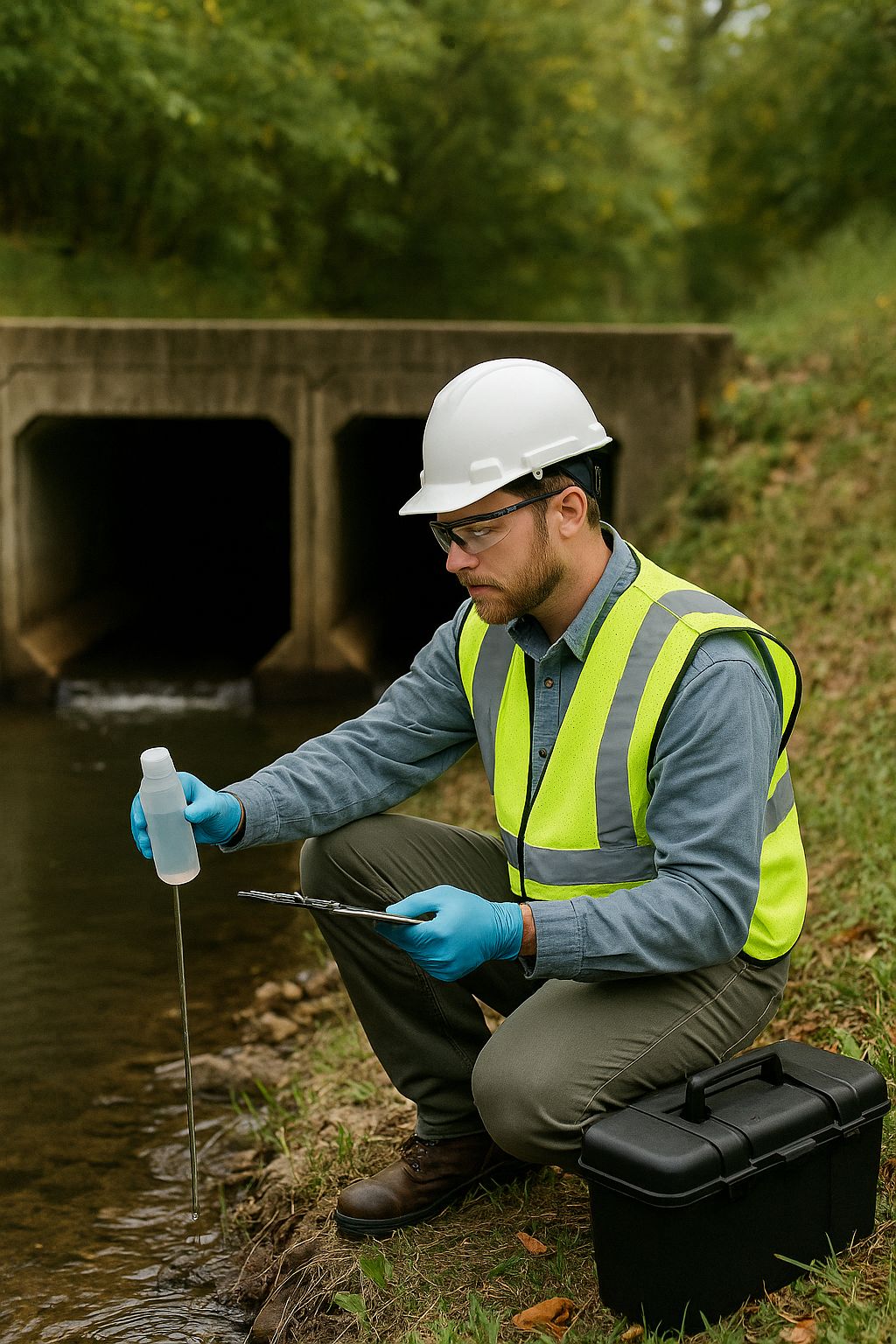
A Municipal Solid Waste Hauler Navigates Tight Service Windows in Environmental Services
In the environmental services industry, a municipal solid waste hauler serves neighborhoods and local businesses every day. Crews run side loader and rear loader trucks across dense routes with hundreds of stops. Cities and customers expect pickups within clear time windows. Hitting those windows protects contracts, controls costs, and builds trust with the community.
The road rarely follows the plan. Routes shift with road work and weather. School zones change timing. Apartment alleys get blocked. Drivers work with assistants and often rotate across routes. Local rules vary by town, from container placement to recycling contamination, which makes consistency hard.
- Morning surges near schools and hospitals slow early stops
- Narrow streets and cul-de-sacs require careful backing and spotters
- Construction and detours break the planned stop order
- Holiday and storm overflow increases lifts and dwell time
- Transfer station and landfill cutoffs add end-of-day pressure
When a crew misses a window, the ripple is costly. Calls and credits go up. Backtracking burns fuel and time. Contract penalties can apply. Rushing raises safety risk. Overflow and litter hurt public perception. Small delays at early stops can snowball into late arrivals across the rest of the route.
The company had solid SOPs, yet they lived in binders, emails, and the heads of veteran drivers. New hires and floaters struggled with local exceptions. Supervisors had limited time for ride-alongs. Traditional courses were generic and hard to use in the cab. The team needed training that fit into the workday and matched each route and role.
They also had underused data. GPS breadcrumbs, stop history, missed set-outs, and incident reports pointed to sticky spots and repeat errors. If that insight could guide learning and on-the-job support, crews could make the right call at the right stop. The goal was simple. Keep routes on time by helping drivers and assistants move with confidence, step by step.
Missed Windows and Inconsistent Routes Drive Cost and Customer Risk
When a truck misses a pickup window, the cost shows up fast. One late stop forces backtracking, adds miles, and pushes crews into overtime. Fuel spend climbs. Landfill or transfer station cutoffs get tight. What begins as a small delay can turn into a long day for the driver and the assistant, and a busted plan for dispatch.
Customers and city partners feel it too. Late or skipped service triggers calls, service credits, and unhappy posts online. Overflow bins and litter draw attention from neighbors and officials. Contract scorecards dip, which can put renewals at risk. Trust takes time to build and minutes to lose.
Uneven routes cause most of this pain. Drivers rotate across neighborhoods they do not know well. A blocked alley here, a school zone there, and a construction detour down the street knock the crew off sequence. Local rules change by municipality, from container placement to contamination checks, which slows pickups when the crew is unsure. SOPs exist, but they are not always in reach when the truck is in motion.
- Extra miles and idle time increase fuel and maintenance costs
- Return trips and second-day pickups add overtime and strain on schedules
- Holiday overflow and storm debris extend stop times and reduce route capacity
- Service-level penalties and credits hit contract margins
- Rushed work raises safety risk for crews, pedestrians, and property
- Missed or late service drives complaint volume and social visibility
- Overflow and windblown material hurt neighborhood satisfaction
- Inconsistent recycling practices reduce diversion and invite scrutiny
- Poor scorecard trends threaten future awards and extensions
Training and communication gaps make matters worse. New hires and floaters rely on tribal knowledge. Supervisors want to coach, but they cannot ride along with every crew. Long courses and paper binders are hard to use at 6 a.m. in a noisy cab. Crews need quick, clear answers at the moment of choice and practice that mirrors the streets they drive.
That is why the team looked for a way to turn everyday route data and SOPs into targeted learning and on-the-job support. The goal was simple. Cut delays, remove guesswork, and help each crew finish on time, safely, and with fewer callbacks.
Training Aligns With Daily Route Reality Through Data and Mobile Delivery
The strategy started with a simple idea. Meet crews where they work. Put clear, bite-size training and quick help on the devices they already use in the cab and at the curb. Keep it short, practical, and tied to the next stop, not a classroom far from the route.
The team built a living picture of each route. They pulled GPS breadcrumbs, stop history, complaint patterns, safety notes, municipal rules, and holiday schedules into easy route profiles. These profiles flagged hot spots like tight cul-de-sacs, school zones with narrow windows, and alleys that often get blocked. They also captured local rules on container placement and contamination so crews did not have to guess.
With that context, training shifted from generic to specific. Practice questions matched the streets a driver would see that day, and quick checklists were ready for the exact exceptions the crew might face. Mobile delivery made it natural to use before the shift, during safe pauses at the curb, and after the route for a short review.
Content was role based. Drivers saw guidance on sequencing, safe backing, and time windows. Assistants saw spotter duties, contamination checks, and placement details. Dispatch and supervisors saw a roll-up view that linked common mistakes to places on the map, so they could coach with purpose.
Design rules kept it practical and safe. Nothing required eyes on a screen while the truck moved. Items were short enough to finish in a few minutes. The app worked offline when cell service dropped. English and Spanish options were available so every crew member could learn with confidence.
The rollout followed a pilot, learn, and scale path. A few high-variance routes went first. Drivers and assistants gave feedback on what worked and what did not. The team simplified steps, trimmed wording, and added pictures from the field. Once results held steady, the approach expanded to more districts.
- Short, focused learning that fits the shift
- Route and role specificity grounded in real data
- Mobile first with offline support for dead zones
- Safety built into every step and checklist
- Supervisor insight that links coaching to locations and tasks
- A feedback loop that updates content as routes change
This plan aligned training with daily reality. Crews got the right help at the right moment, and leaders saw where to focus coaching to keep routes on time.
Auto-Generated Quizzes and Exams Pair With AI-Generated Performance Support & On-the-Job Aids
The solution paired two simple tools. Auto-Generated Quizzes and Exams checked what crews knew before they rolled out. AI-Generated Performance Support & On-the-Job Aids put quick, clear help in their hands while they worked.
Quizzes came from the same source material that crews trust: SOPs, route maps, municipal rules, and recent route data. The system built short, route-specific questions that matched the day’s assignment. Drivers and assistants took a two to three minute check before the shift. If someone missed a question on a school zone window or contamination threshold, the app gave fast feedback and set up a short follow-up later in the day.
The performance support tool lived on in-cab tablets and phones. It offered step-by-step checklists and pictures for the exact task at hand. Crews used it for pre-trip validations, safe-backing protocols with a spotter, and municipality-specific container placement rules. When they hit an exception, like a blocked alley, a suspected contamination issue, or a missed set-out, they could tap for quick guidance that matched local policy. It worked offline and never required attention while the truck moved.
The two pieces worked as a loop. Assessment analytics highlighted common gaps such as holiday overflow rules, school-zone timing windows, and cul-de-sac turnarounds. The system then pinned matching micro-aids to that crew’s route so the right checklist or reminder was one tap away at the stop where it mattered. After the shift, a brief review reinforced any sticky points.
A typical day looked simple. A short pre-shift quiz set focus. During safe pauses, the crew opened a checklist or a one-minute refresher that matched the next few stops. At end of day, they saw a fast recap with one or two questions. Progress was easy to see, and time on task stayed low.
Supervisors gained a clear view of where to coach. They could see which topics slowed routes and where they showed up on the map. That made tailgate talks and ride-alongs more focused and useful.
- Pre-trip and start-of-day validations
- Safe backing with spotter calls and hand signals
- Container placement rules by municipality
- Contamination checks for recycling and organics
- Holiday overflow handling and extra lifts
- School zone time windows and alternate sequencing
- Cul-de-sac approaches and turnarounds
- Landfill or transfer station cutoff planning
Together, auto-generated assessments and on-the-job aids reduced decision time, cut guesswork, and kept crews aligned on the same playbook so routes stayed on track.
Route-Specific Assessments and Micro-Aids Guide Drivers and Assistants in the Field
Each crew started the day with a short check tied to the exact streets they would run. The app pulled that route’s school zones, hot spots, and local rules and built a two minute assessment. Drivers and assistants saw quick questions like “What is the time window at Oak Elementary?” or “What is the contamination threshold for mixed recycling in Ward 3?” The point was focus, not a test. Missed items turned into simple reminders that popped up later where they mattered.
Out on the route, micro-aids met the crew at the next stop. On in-cab tablets and phones, they could open a one page checklist with photos and plain steps. It worked offline and in English or Spanish. Crews used it for pre-trip checks, safe-backing calls, spotter roles, and container placement by municipality. When they hit an exception, the right aid was one tap away and matched local policy.
Guidance matched the role. Drivers saw sequencing tips, backing angles, and time windows. Assistants saw spotter hand signals, lift prep, and contamination checks. Both saw the same playbook, but each got what they needed to act fast and in sync.
Common situations turned into clear choices. If an alley was blocked, the aid walked the crew through options: safe alternate sequence, notify dispatch, or return after a set time. If a cul-de-sac looked tight, the checklist showed the approved approach and turnaround. If a school zone window was closing, the tool offered the next best sequence to stay on time without rushing.
- Pre-trip validation for lights, cameras, PPE, and backup alarms
- Safe-backing with spotter positioning and callouts
- Container placement rules by street type and municipality
- Contamination thresholds with photo examples for quick decisions
- Holiday overflow handling and extra lift limits
- School zone timing with green, yellow, and red cues
- Cul-de-sac approaches with illustrated turn paths
- Blocked alley choices with notify-and-return steps
The loop closed after the shift. A brief recap showed what slowed the crew and offered one or two targeted questions for the next day. If several crews stumbled on the same rule, the system pinned a sharper micro-aid to that segment of the map. Content stayed fresh as routes and local policies changed.
The result in the field was simple. Crews spent less time guessing and more time moving. New hires and floaters ramped faster. Veterans had a single source of truth. Dispatch saw fewer radio calls for routine questions. Most important, drivers and assistants stayed aligned, made safer choices, and kept to the plan.
Supervisors Gain Targeted Coaching Insights and Crews Receive Fast Feedback
Supervisors finally had a clear view of what slowed routes and where it happened. A simple dashboard showed the top missed topics, the streets where they showed up, and which crews needed support. Instead of guessing, leaders could see facts from the last shift and make a plan for the next one.
Coaching got shorter and sharper. Tailgate talks started with two quick points: what went well and what to adjust today. If several crews struggled with school zone windows on the same street, the supervisor pulled up that spot, reviewed the rule, and sent the matching checklist to the teams that would run it next.
Crews received fast feedback that fit the flow of work. A short pre-shift check highlighted one or two items to watch. During safe pauses, a micro-aid popped up when they needed it, not hours later. After the route, a one-minute recap showed wins and a small focus for tomorrow. No long lectures. Just the right nudge at the right time.
The process felt fair. Feedback was tied to actual stops and tasks, not memory. New hires and floaters got the same clear guidance as veterans. When a pattern raised a safety flag, supervisors scheduled a quick ride-along or a focused huddle with photos from the field to make the fix stick.
- Before shift: a two to three minute check sets the day’s focus
- On route: one-tap micro-aids guide choices at tricky spots
- Midday: supervisors skim route alerts and send a targeted tip
- After shift: a short recap highlights wins and one area to tighten
- End of week: a route snapshot supports a brief coaching chat
Supervisors also saved time. They used simple coaching cards with photos, key rules, and a quick script. A map view grouped repeat issues so one message could help many crews. Recognition was part of the routine. Leaders called out strong performance in safety backing, clean container placement, and on-time windows to reinforce what good looked like.
For crews, the payoff was clarity. They knew exactly which rules mattered on today’s streets and got quick answers when something changed. For leaders, it was control. They could focus coaching where it counted and see progress build shift by shift.
On-Time Routes Improve as Driver Paths and Assistant Coordination Tighten
Results showed up where they mattered. Crews hit more time windows because drivers followed cleaner paths and assistants stayed in sync. Early stops set the tone for the day. With a shared playbook and one-tap help, the team kept small hiccups from turning into long delays.
Path discipline tightened. Drivers stuck to the planned sequence more often and made smarter adjustments when an alley was blocked or a school zone window was closing. Assistants used the same cues every time. Spotter calls matched the checklist. Container placement was consistent by street and city rule. Less time was lost to debate at the curb.
Route flow improved. Dwell time at tricky stops dropped. Radio calls about routine questions fell off. Detours caused fewer out-of-order hops. Crews reached transfer stations within cutoffs with less last-minute stress. Dispatch could plan with more confidence because yesterday’s issues were addressed before today’s run.
Customer impact eased. Fewer late or missed windows meant fewer calls and credits. Overflow events declined because extra lifts were handled the right way on the first pass. Recycling contamination checks were faster and clearer, which reduced rework.
Safety trends moved the same way. Crews rushed less and backed with a spotter more often. The same hand signals and callouts were used on every truck. Fewer resets and second attempts meant fewer chances for near misses in tight spaces.
Hiring and staffing got easier. New drivers and floaters came up to speed faster because the aids matched the route they drew that day. Veterans did not need to carry every local rule in their heads. Everyone pulled from the same source of truth.
- Higher on-time pickups across pilot and expansion routes
- Lower route variance with better sequence adherence
- Shorter dwell time at known hot spots
- Fewer radio calls for common rules and exceptions
- Reduced overtime and smoother landfill or transfer cutoffs
- Fewer service credits and complaint calls
- Improved backing discipline and fewer near misses
- Faster ramp for new hires and floaters
The gains held because they were anchored in daily work. Auto-generated checks kept focus tight each morning. Micro-aids met crews at the moment of choice. Together they shaped better driver paths and stronger assistant coordination, which kept trucks on time and days predictable.
L&D Teams Can Apply These Lessons in Environmental Services and Other Field Operations
Many field teams face the same pattern. Tight time windows, shifting conditions, and mixed experience levels make consistency hard. The approach in this case is simple and portable. Use data you already have to shape short, mobile learning, then back it up with quick help at the moment of need. Auto-Generated Quizzes and Exams focus attention before the shift. AI-Generated Performance Support & On-the-Job Aids give clear steps in the field when choices matter.
You do not need a full rebuild to start. Pull route or site data, complaint trends, and safety notes into a simple snapshot. Find the top five friction points. Turn each into a two minute pre-shift check and a one page aid with photos and plain steps. Keep everything role based and easy to use on a phone or tablet.
- Use Auto-Generated Quizzes and Exams for fast, route or site specific checks
- Pair with AI-Generated Performance Support & On-the-Job Aids for one tap checklists that work offline
- Design by role so each person sees only what they need
- Build a daily loop with a short pre-shift check, on-route aids, and a one minute recap
- Make safety nonnegotiable with eyes up use and short steps
- Translate content to the languages your crews use
- Pilot on a few high variance routes, then scale once results are steady
- Measure on-time windows, dwell time at hot spots, exceptions handled on the first pass, calls, and overtime
- Refresh content often with crew photos, supervisor tips, and local rule changes
This playbook travels well across environmental services and beyond. Any job with routes, sites, or service windows can benefit when training mirrors the day and help is one tap away.
- Solid waste, recycling, and organics collection
- Utilities and public works crews for water, sewer, and street repair
- Street sweeping, snow and ice operations, and seasonal cleanups
- Parks, facilities, and grounds teams with repeat site tasks
- Fleet maintenance with job cards and torque sequences
- Last mile delivery and courier services
- Field service such as pest control, HVAC, and telecom installs
A few practical choices make the difference. Keep content short. Use plain language and real photos. Tie coaching to places on the map. Recognize wins in tailgate talks. When you combine auto-generated checks with on the job aids, you cut guesswork, speed up decisions, and raise consistency. That keeps routes on time, lowers risk, and makes the day smoother for crews and customers.
Deciding If Route-Smart Quizzes and On-the-Job Aids Fit Your Organization
The solution worked for a municipal solid waste hauler because it met crews in the real world of tight windows, changing routes, and rotating teams. Auto-Generated Quizzes and Exams gave each crew a short, route-specific check before roll out, based on SOPs, local rules, and recent route data. AI-Generated Performance Support & On-the-Job Aids then delivered one-tap checklists and photos on in-cab tablets during safe pauses, with offline access and language options. Together they turned guesswork into clear next steps at the stop where choices mattered.
This approach also closed the coaching loop. Assessment trends pointed supervisors to the exact streets and topics that slowed runs, like school zone timing, cul-de-sacs, and holiday overflow. Leaders used that insight for short, focused tailgate talks and quick ride-alongs. The result was fewer delays, safer backing with a spotter, and more on-time windows without extra stress or overtime.
- Do we have accurate route data and current SOPs to power route-specific checks and aids?
Why it matters: The system needs GPS breadcrumbs, stop history, complaint patterns, and approved rules from each city to target learning. Implications: If data or SOPs are scattered or outdated, start by centralizing and cleaning them, setting owners, and agreeing on the source of truth. - Can crews use mobile support safely and reliably during the shift?
Why it matters: The value comes from quick help in the cab or at the curb. Implications: Confirm device access, mounts, offline use, and a clear eyes-up policy. Plan for language support and brief training so adoption is easy and safe. - Will supervisors act on the insights with a simple coaching cadence?
Why it matters: Analytics only help if leaders use them. Implications: Set a rhythm for pre-shift briefs, midday nudges, and end-of-day recaps. Give supervisors easy dashboards and coaching cards so they can target the few items that move routes on time. - Are we ready to pilot, learn fast, and refresh content as routes change?
Why it matters: A small pilot proves value and reduces risk. Implications: Pick high-variance routes, gather crew feedback, add real photos, and update weekly. Plan who edits content and how rule changes flow into quizzes and micro-aids. - Which outcomes will prove success and how will we measure them?
Why it matters: Clear goals align teams and funding. Implications: Baseline and track on-time windows, dwell time at hot spots, sequence adherence, safety behavior, calls and credits, overtime, and new-hire ramp time. Use simple reports that crews and leaders can see.
If most answers are yes, you are ready to pilot on a few routes and expand with confidence. If not, use the questions to build a short readiness plan. A little prep on data, devices, coaching, and metrics goes a long way toward faster routes and smoother days.
Estimating Cost And Effort For Route‑Smart Quizzes And On‑The‑Job Aids
Below is a practical view of what it takes to stand up auto-generated quizzes and on-the-job aids for a municipal solid waste hauler. It focuses on the work that matters most: turning SOPs and route data into short checks and one-tap micro-aids, wiring the tools into your devices and identity systems, and supporting supervisors and crews through pilot and rollout. Numbers reflect a mid-size fleet and are meant as planning guides, not vendor quotes.
- Discovery and Planning: Align on goals, success metrics, scope, and roles. Map current systems, devices, data sources, and safety policies.
- Data Readiness and SOP Consolidation: Gather GPS breadcrumbs, stop history, complaint trends, and municipal rules. Clean and centralize SOPs into one source of truth.
- Learning Experience Design: Create simple blueprints for pre-shift checks, end-of-day recaps, and route-specific micro-aids by role.
- Content Production: Build a reusable micro-aid library, route quick-reference one-pagers, quiz templates, and capture field photos. Translate into the languages crews use.
- Technology and Integration: Configure the quiz and performance support tools, connect SSO/MDM, stand up analytics, and fill any device or mount gaps.
- Data and Analytics: Define KPIs (on-time windows, dwell time, sequence adherence), configure xAPI/LRS, and build simple dashboards for supervisors.
- Quality Assurance and Field Safety Validation: Test offline use, eyes-up policies, and checklist flow with real crews on real streets.
- Pilot and Iteration: Run a focused pilot on high-variance routes, collect feedback, refine content, and tune coaching cadence.
- Deployment and Enablement: Deliver short orientations for crews and supervisors, print cab placards/QRs, and publish quick how-tos.
- Change Management and Communications: Keep messages clear and frequent. Show early wins and set expectations for the daily loop.
- Ongoing Support and Content Refresh: Update micro-aids as routes and rules change, maintain templates, and handle basic user support.
Assumptions For This Estimate
- Fleet with 100 routes and 100 trucks; 220 users (120 drivers, 80 assistants, 20 supervisors)
- 20 additional tablets needed; most trucks already have devices
- Core micro-aids reused across routes plus one-page quick refs per route
- English and Spanish support; offline-first use
| Cost Component | Unit Cost/Rate (USD) | Volume/Amount | Calculated Cost (USD) |
|---|---|---|---|
| One-Time Costs | — | — | — |
| Discovery and Planning | $150/hour | 60 hours | $9,000 |
| Data Readiness and SOP Consolidation | $100/hour | 100 hours | $10,000 |
| Learning Experience Design | $120/hour | 80 hours | $9,600 |
| Core Micro-Aid Library (reusable) | $150/micro-aid | 50 micro-aids | $7,500 |
| Route Quick-Reference One-Pagers | $150/quick ref | 100 quick refs | $15,000 |
| Quiz Blueprint Setup | $400/template | 12 templates | $4,800 |
| Field Media Capture (photos/video) | $900/day | 4 days | $3,600 |
| Translation (English→Spanish) | $0.12/word | 35,000 words | $4,200 |
| SSO and MDM Integration | $140/hour | 40 hours | $5,600 |
| Analytics/Dashboard Setup | $130/hour | 60 hours | $7,800 |
| Device Gap Fill (Tablets) | $400/tablet | 20 tablets | $8,000 |
| Rugged Mounts | $80/mount | 100 mounts | $8,000 |
| QA and Field Safety Validation | $90/hour | 60 hours | $5,400 |
| Pilot Adoption Coach | $100/hour | 40 hours | $4,000 |
| Crew Orientation Time | $30/hour | 220 hours | $6,600 |
| Supervisor Enablement Workshop | $45/hour | 40 hours | $1,800 |
| Orientation Microlearning Modules | $1,000/module | 3 modules | $3,000 |
| Cab Placards/QR Stickers | $1.50/each | 150 units | $225 |
| Change Management and Communications | $80/hour | 40 hours | $3,200 |
| Contingency (10% of one-time subtotal) | — | — | $11,733 |
| Annual Recurring Costs | — | — | — |
| Licenses: Auto-Generated Quizzing + On-the-Job Aids | $8/user/month | 220 users × 12 months | $21,120 |
| LRS/Analytics Subscription | $500/month | 12 months | $6,000 |
| Content Refresh and Route Changes | $100/hour | 4 hours/week × 50 weeks | $20,000 |
| Helpdesk/Admin Capacity | $70,000/FTE/year | 0.2 FTE | $14,000 |
| Incremental Data Usage | $5/tablet/month | 100 tablets × 12 months | $6,000 |
| Totals (Estimated) | — | — | Year 1: $196,178 | Ongoing Annual: $67,120 |
How To Right-Size For Your Fleet
- Start with a small pilot and scale your content library by reusing micro-aids across routes, then layer a short quick ref per route for local rules.
- If you already have devices, mounts, MDM, or an LRS, your one-time costs drop. If you need more translation or media, plan for a lift in content costs.
- Keep the coaching loop simple to limit recurring effort: a pre-shift check, one-tap aids on route, and a one-minute recap after shift.
In short, expect a one-time lift to organize data, build a lean content library, and connect systems, followed by steady but modest annual costs to license the tools and keep content fresh. With tighter routes and fewer delays, most teams see the investment return in fuel, overtime, and service credit reductions within the first year.