Executive Summary: A network of Certified Collision Centers in the automotive industry implemented Performance Support Chatbots, anchored by AI-Assisted Knowledge Retrieval, to deliver approved, cited SOPs at the vehicle. The solution standardized high-strength steel and aluminum repairs across locations, reducing rework and cycle time while strengthening safety, compliance, and onboarding. The article outlines the challenges, point-of-work strategy, build and governance model, and practical steps leaders and L&D teams can replicate.
Focus Industry: Automotive
Business Type: Certified Collision Centers
Solution Implemented: Performance Support Chatbots
Outcome: Standardize repair procedures for materials like HS steel and aluminum.
Cost and Effort: A detailed breakdown of costs and efforts is provided in the corresponding section below.
Service Provider: eLearning Solutions Company
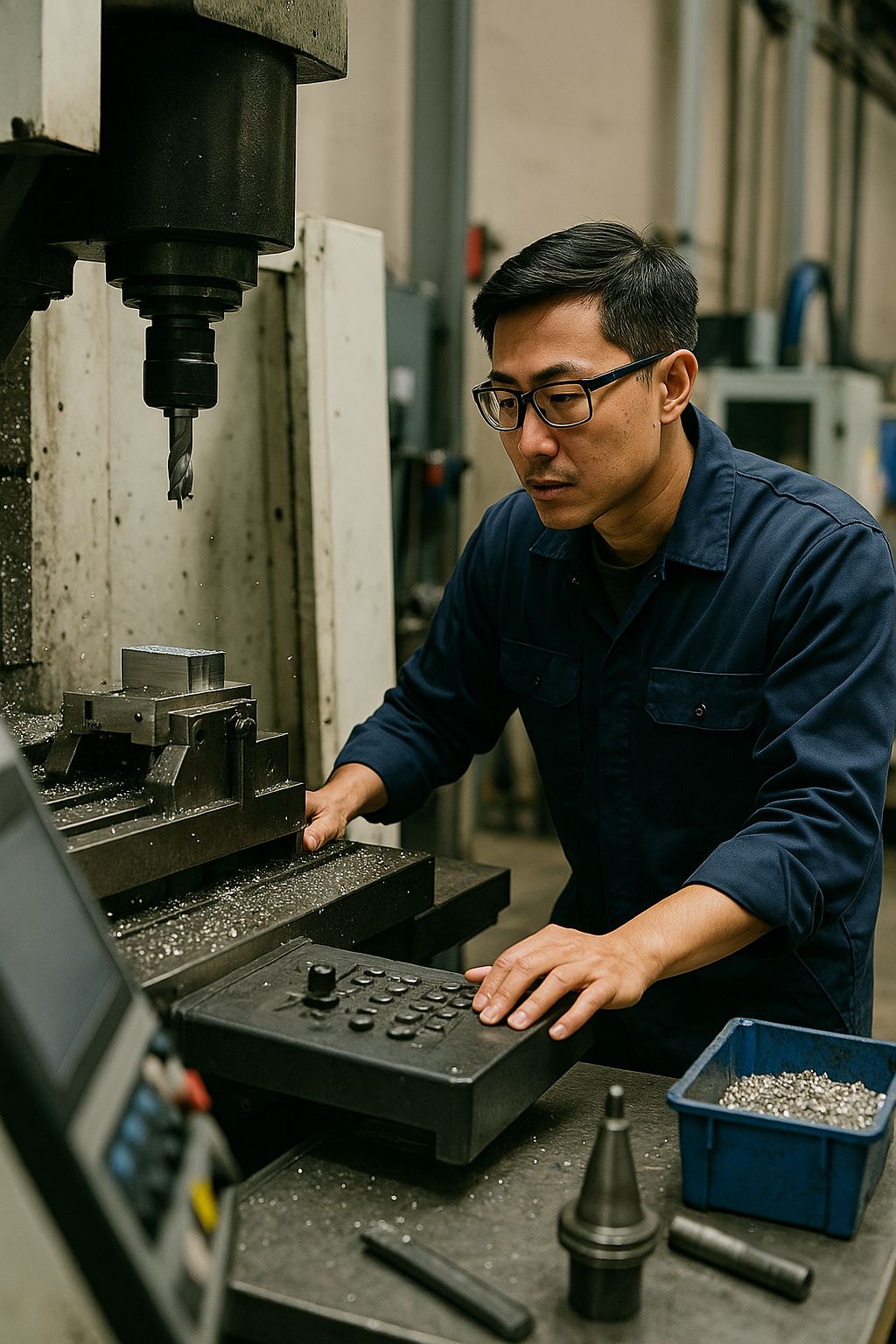
Automotive Certified Collision Centers Operate Under High Safety and Compliance Stakes
Certified Collision Centers are busy places where safety and trust are on the line every day. Teams work across multiple locations, moving from small dents to major structural repairs on tight timelines. They serve drivers, insurers, and automakers who expect repairs that look right and meet exacting standards. The work is hands-on and fast, but the decisions behind each step carry real weight.
Modern vehicles add more pressure. Cars now combine high-strength steel and aluminum, often in the same body. Sensors and advanced driver assistance systems sit behind bumpers and windshields. A wrong rivet, the wrong weld setting, or a missed calibration can weaken a structure or cause a safety feature to fail. That is not just a quality issue. It is a risk to people on the road and to the business.
Across a network of shops, leaders want every bay to follow the same playbook. OEMs update procedures often. Insurers and auditors ask for proof that the team followed the right steps. Managers want to cut rework, shorten cycle time, and protect margins without cutting corners on safety. Technicians need clear, current guidance right at the vehicle so they can do it right the first time.
- Safety is paramount: Repairs must restore crashworthiness and keep features like airbags and sensors working as designed.
- Compliance matters: OEM procedures and internal standards must be followed and documented for audits and warranties.
- Materials are unforgiving: HS steel and aluminum require exact tools, settings, and sequences to avoid damage or corrosion.
- Volume is high: Multiple jobs run at once across locations, with little time to hunt for answers.
- Change is constant: New models, new bulletins, and new equipment arrive year-round.
This is the backdrop for the organization’s learning and development work. Traditional training helps, but it cannot carry the whole load on its own. People need quick, reliable answers in the moment of work. The sections that follow show how the team built that support, why it fit the realities of the shop, and what it changed for safety, quality, and speed.
Technicians Face Inconsistent OEM Procedures and Varying Shop Practices
Technicians juggle repair guides from many automakers, and those guides do not always line up. One model calls for a specific rivet and adhesive on an aluminum panel. Another looks similar but needs a different fastener and a different cure time. High-strength steel brings its own rules on heat, weld count, and corrosion protection. Each job can feel like a moving target.
Finding the right steps in the moment is hard. Information sits in long PDFs, portal pages, and printed binders. Updates arrive often, and not everyone sees them at the same time. A technician may follow last month’s printout while another uses a newer bulletin. Both are trying to do the right thing, yet they may end up with two different processes on the same type of repair.
Shop habits add more variation. Experienced people pass along tips that worked for them. New hires watch and copy, even when the official procedure has changed. Checklists vary by location. One lead insists on post-repair scans before reassembly. Another waits until the end. None of this comes from bad intent. It grows from time pressure and the need to keep work moving.
Small choices matter. The wrong weld setting on HS steel can weaken a joint. A missed sealant step on aluminum can invite corrosion. Skipping an ADAS calibration can leave sensors out of alignment. These mistakes lead to rework, delays, and callbacks. They also create extra documentation work when insurers or auditors ask for proof that the team followed the latest OEM steps.
- Information is scattered: Procedures live across portals, PDFs, and binders that are hard to search during a job.
- Updates are frequent: Bulletins and model-year changes make yesterday’s printout risky to use today.
- Practices vary by bay: Tribal knowledge leads to different approaches on the same repair.
- Decisions are high stakes: HS steel and aluminum work requires exact settings, tools, and sequences.
- Time is tight: Leaving the bay to hunt for answers slows cycle time and breaks focus.
The team needed a simple way to give every technician one trusted answer at the vehicle, backed by the latest OEM guidance, and to capture proof of what was followed. That became the foundation for the solution described in the next section.
The Team Adopts a Point-of-Work Learning Strategy to Standardize Repairs
The team shifted from long courses to quick help at the vehicle. They chose a simple idea: bring the right steps to the technician at the moment of work, not the other way around. If a tech is replacing an aluminum panel or sectioning high-strength steel, the guidance should appear in seconds, match the exact job, and show where it came from.
They set clear goals. Every shop would follow the same playbook. Guidance would always reflect the latest OEM updates. Steps would be easy to scan with greasy hands and a busy mind. Proof of what was done would be easy to capture. If the plan did not save time and reduce rework, it would not stick.
To make this real, they built a single source of truth and mapped it to how the work actually happens. Master technicians and L&D partners turned long documents into short, ordered steps. Each step tied to a specific vehicle system and material type. Where it helped, they added quick photos or short clips. Every item included a citation so anyone could see the OEM origin.
They also designed the experience to fit the shop flow. Technicians could search by VIN, panel, or material and get the exact checklist. Content loaded fast on phones and tablets. QR codes on job cards and tool carts made access even quicker. Managers brought the new playbook into daily huddles and used it to prep complex jobs.
Rollout started small. A few locations piloted the approach, with lead techs as champions. The team gathered feedback, removed friction, and filled gaps in the content. Once the process felt smooth, they expanded to more sites. A simple set of metrics kept everyone honest: how fast people found answers, how often they used the steps, and where confusion still showed up.
- Focus on real work: Put guidance where the job happens, not in a classroom.
- One source of truth: Pull every step from the same, current playbook with clear citations.
- Small, clear steps: Short checklists, exact settings, and the next action to take.
- Fit the rhythm of the shop: Fast access on mobile, QR codes, and support in daily huddles.
- Prove it and improve it: Capture completion and results, then use the data to sharpen the guidance.
With this point-of-work strategy in place, the team was ready to select the tool that would deliver these steps on demand and keep every bay working from the same up-to-date guidance.
Performance Support Chatbots With AI-Assisted Knowledge Retrieval Deliver Approved SOPs at the Vehicle
The team put a chatbot on the shop floor so technicians could get the right steps without leaving the vehicle. Behind the chat sits AI-assisted knowledge retrieval that points to a single, vetted library. It does not search the open web. It answers only from approved OEM procedures and the company’s standard operating procedures, which are version controlled and kept current.
When a tech types a question or scans a QR code, the chatbot returns a short, clear checklist with the exact settings and tools to use. It includes material-specific details such as rivet type, adhesive use, and weld settings for high-strength steel and aluminum. Each answer shows a citation so the tech can see the OEM source and open the full document if needed.
Content is tagged by vehicle system, material, panel, and task. Techs can search by VIN, part, or plain language. For example, they can ask, “What weld settings do I use on this HS steel section?” or “Show the rivet pattern for the right rear aluminum quarter panel.” The chatbot returns the correct steps for that job, with torque values, tool tips, and a quick photo or short clip when it helps.
Access fits the flow of the bay. Phones and tablets load the checklist fast. QR codes on job cards and tool carts jump straight to the right procedure. Techs can mark steps complete as they go and attach a photo for proof when a step calls for it. If they cannot find an answer, they can flag the gap and keep moving while the content team adds what is missing.
Updates reach everyone at once. When an OEM posts a new bulletin, the content owner reviews it, updates the steps, and publishes the change. The chatbot serves the new guidance right away, and a “what changed” note lets techs see the difference. This keeps every location aligned without reprinting binders or sending long emails.
The system also creates a light audit trail. It logs which checklist a tech used, when they completed it, and which citations they viewed. Managers can see usage, common questions, and where people still get stuck. That data helps improve the content and the process without slowing the work.
- Approved answers only: Responses come from a curated, version-controlled library of OEM procedures and internal SOPs
- Step-by-step at the vehicle: Short checklists with exact settings and tools, plus citations
- Material aware: HS steel and aluminum guidance with weld settings, rivet types, sealants, and corrosion protection steps
- Fast access: VIN, panel, or plain-language search, plus QR codes on job cards and carts
- Instant updates: New OEM bulletins flow to every shop in real time with change notes
- Proof and insight: Simple completion logs, optional photos, and analytics to spot gaps and reduce rework
Standardized High-Strength Steel and Aluminum Repairs Reduce Rework and Cycle Time
With one playbook in every bay, technicians repair high-strength steel and aluminum the same way across locations. The chatbot gives the exact steps and settings at the vehicle, backed by OEM citations. That consistency turns tricky jobs into repeatable work. The result is more first-time-right repairs and fewer surprises after reassembly.
Rework drops when guesses disappear. The checklist shows the correct rivet type, weld settings, sealants, and corrosion protection for the job. It also prompts the right scans and calibrations before parts go back on. Those small details prevent do-overs, paint delays, and callbacks that can stall a car for days.
Cycle time improves because people spend less time hunting for answers or waiting for someone to confirm a step. Technicians pull up the approved process, finish each step, and capture quick proof when needed. Estimators and managers move faster too. When an insurer asks why a step was required, the citation is already there.
The impact shows up on the floor. Bays stay active instead of stopping to look through PDFs or binders. Parts and tools get used in the right order. Work flows smoothly from metal to paint to calibration. More cars leave on schedule, and the schedule is easier to trust.
The gains are not just about speed. Consistent use of OEM guidance protects vehicle safety and reduces risk. Clear proof of steps lowers back-and-forth with auditors and partners. New hires ramp faster because they see the same checklist veterans use, and lead techs spend less time correcting avoidable mistakes.
- Fewer do-overs: Wrong rivets, weld heat, or missed sealants are caught before they happen
- Shorter cycle time: Less searching and fewer stops keep cars moving through the shop
- Higher first-time-right rate: Material-specific steps and settings cut variation across locations
- Stronger safety and compliance: Every answer ties to OEM guidance with clear citations and proof of work
- Faster onboarding: New technicians follow the same, simple checklists as experienced staff
- Better partner confidence: Insurers and OEMs see consistent processes and complete records
These outcomes came from one simple shift: give technicians approved steps at the moment of work and keep those steps current for every shop, every job, every day.
Leaders and Learning and Development Teams Apply These Lessons to Similar Operations
Many operations with high safety and compliance needs face the same pattern. There are many procedures, frequent updates, and little time on the floor. The takeaway is simple. Put approved answers in the hands of the person doing the job. Use a performance support chatbot that pulls only from a curated library, paired with AI-assisted knowledge retrieval, so guidance is accurate, current, and traceable.
- Start with high-impact tasks: List the top repairs or procedures that drive rework, delays, or audit issues. Pick 10 to 20 to tackle first.
- Create one source of truth: Gather OEM procedures and internal SOPs into a version-controlled library. Keep citations, dates, and owners for each item.
- Tag content to match real work: Use tags like system, material, panel, model, and task. This makes search fast and precise at the vehicle.
- Turn long docs into short steps: Build clear checklists with exact settings, tools, and photos or short clips. Keep each step scannable.
- Fit access into the flow: Make it mobile first. Add QR codes to job cards, tool carts, and work areas. Ensure strong Wi-Fi and simple sign-in.
- Set up governance: Assign content owners, review cycles, and change notes. When guidance changes, show what changed and why.
- Pilot, then scale: Launch in a few sites with lead technicians as champions. Collect feedback, close gaps, and expand once the flow feels smooth.
- Support the people side: Bring the checklists into daily huddles. Recognize teams that use them well. Train new hires on the same steps veterans follow.
Measure what matters so leaders can see progress and coach where needed.
- Time to find guidance: Track how long it takes to pull the right steps at the vehicle.
- Use of approved steps: Watch checklist completion and citation views by location and job type.
- Rework and cycle time: Compare before and after for HS steel and aluminum jobs.
- Audit exceptions: Count missing documentation or missed steps over time.
- Search success: Flag questions that return no results and fill those gaps fast.
Avoid common pitfalls that slow adoption.
- Do not allow open web answers: Keep responses inside the approved library to protect safety and compliance.
- Do not ship long, dense text: Use short steps, clear settings, and visuals where they help.
- Do not skip device readiness: Provide cases, mounts, and gloves-friendly navigation so techs actually use the tool.
- Do not leave content ownerless: Every topic needs a named owner and a review date.
- Do not use data to blame: Use analytics to coach, remove friction, and improve content.
These practices apply beyond collision repair. Any operation with complex steps and frequent updates can benefit. Think field service, aviation maintenance, medical device assembly, lab procedures, utilities, and warehouse operations. If the work is high stakes and time bound, point-of-work support helps.
- Days 0 to 30: Choose the first set of tasks, stand up the library, and draft checklists with citations. Select pilot sites and champions.
- Days 31 to 60: Launch the chatbot, add QR access, and train teams in short stand-ups. Collect feedback and fix the top pain points each week.
- Days 61 to 90: Expand to more tasks and sites. Publish change notes. Share wins on rework and cycle time. Lock in a monthly content review rhythm.
Leaders and L&D teams do not need a massive overhaul to see results. Start with a few high-value procedures, keep answers approved and easy to reach, and build steady habits around updates and usage. The payoff is faster work, fewer do-overs, safer outcomes, and confident audits in any setting where the details matter.
Is a Point-of-Work Chatbot With AI-Assisted Knowledge Retrieval Right for Your Organization
In a network of Certified Collision Centers, teams struggled with inconsistent practices, scattered information, and frequent updates from many automakers. High-strength steel and aluminum repairs demanded exact settings and steps. Mistakes led to rework, delays, and audit issues. The solution paired a performance support chatbot with AI-Assisted Knowledge Retrieval. The chatbot answered only from an approved, version-controlled library of OEM procedures and internal SOPs. It returned short, cited checklists with material-specific details that technicians could use at the vehicle.
This approach solved three core problems. First, it replaced conflicting habits with one trusted playbook across locations. Second, it put answers where work happens, which saved time and reduced errors. Third, it kept guidance current. When OEMs issued a change, the team updated the library once and every bay saw the new steps right away. The result was fewer do-overs, faster cycle time, and stronger safety and compliance.
If you are considering a similar approach, use the questions below to guide your decision.
-
Are your frontline tasks complex, often updated, and risky if done wrong?
Why it matters: Point-of-work support shines where procedures change frequently and errors carry real costs in safety, quality, or time.
What it reveals: If your work is stable and low risk, simpler job aids may be enough. If it is variable and high stakes, a chatbot tied to approved guidance is a strong fit. -
Do you have a single, approved library of procedures the chatbot can use as its only source?
Why it matters: AI-Assisted Knowledge Retrieval is only as good as the content it can access. A curated, version-controlled library ensures accurate answers with clear citations.
What it reveals: If this library does not exist, you will need to build it and secure permissions first. Without it, answers can drift and compliance suffers. -
Can technicians get answers at the point of work in seconds?
Why it matters: Speed and ease drive adoption. If access is slow or clumsy, people will revert to memory or old printouts.
What it reveals: You may need better Wi-Fi, rugged mobile devices, QR codes on job cards, and simple sign-in. Plan for gloves, noise, and tight spaces. -
Who will own content accuracy, updates, and change notes?
Why it matters: Procedures change. Without clear owners and review cycles, content goes stale and trust drops.
What it reveals: You need named experts, editors, and a publish process that tracks versions and explains what changed and why. -
How will you drive adoption and prove results without creating fear?
Why it matters: People use tools they trust and see as helpful. Leaders need clear outcomes to justify investment.
What it reveals: Set friendly, visible metrics such as time to find answers, checklist use, rework, cycle time, and audit exceptions. Use data to coach and improve, not to blame. Plan light proof-of-work like step completion and photos so audits are easier.
If your answers show high-stakes work, a solid source of truth, fast access on the floor, clear ownership, and a healthy plan for adoption and measurement, this solution is likely a fit. Start small, prove value, and scale with confidence.
Estimating Cost And Effort For A Point-Of-Work Chatbot With AI-Assisted Knowledge Retrieval
This estimate reflects what it takes to stand up a performance support chatbot that delivers approved, cited SOPs at the vehicle, anchored by AI-assisted knowledge retrieval. It assumes a multi-site operation that repairs high-strength steel and aluminum and needs consistent, current steps at the point of work. Costs are grouped into one-time build items and first-year run items so you can see both the lift to launch and the resources to keep it working.
Assumptions for these estimates
- 10 locations and 150 technicians
- 200 high-value procedures converted to step-by-step checklists with citations
- 20 shared mobile devices for floor access
- 12-month first-year horizon
Key cost components and what they cover
- Discovery and planning: Map high-impact jobs, inventory OEM procedures and internal SOPs, define success metrics, and set the pilot plan.
- Content design and production: Convert long OEM documents into short, cited checklists and micro visuals. Tag each item by system, material, panel, and task for fast retrieval.
- Technology and integration: Licenses for the chatbot platform and AI-assisted knowledge retrieval, analytics tools, SSO, and basic IT setup. Includes device readiness and QR access.
- OEM information access: Annual subscriptions to approved OEM service information needed to cite and validate steps.
- Data and analytics: Dashboard setup for usage, search success, rework, cycle time, and audit exceptions, plus storage for photo proof.
- Quality assurance and compliance: Second-pass content checks, safety and compliance review, and security and privacy review.
- Pilot and iteration: On-site support at early locations, structured feedback loops, and content refinements.
- Deployment and enablement: Technician training, facilitator time, and quick-reference job aids.
- Change management and communications: Champions, launch communications, and light incentives to drive adoption.
- First-year support and content refresh: Part-time content ownership, analytics and system admin, and help desk support.
| Cost Component | Unit Cost/Rate (USD) | Volume/Amount | Calculated Cost |
|---|---|---|---|
| Discovery and Planning | $130 per hour | 120 hours | $15,600 |
| Checklist Authoring and Conversion | $250 per checklist | 200 checklists | $50,000 |
| Micro Visuals (Photos or Short Clips) | $300 per asset | 60 assets | $18,000 |
| Metadata Tagging and Citations | $15 per checklist | 200 checklists | $3,000 |
| Performance Support Chatbot Platform License (12 months) | $15 per user per month | 150 users x 12 months | $27,000 |
| AI-Assisted Knowledge Retrieval License (12 months) | n/a | Annual enterprise license | $20,000 |
| xAPI/LRS Analytics License (12 months) | n/a | Annual subscription | $5,000 |
| SSO and System Integration | $130 per hour | 80 hours | $10,400 |
| Rugged Tablets | $500 per device | 20 devices | $10,000 |
| Protective Cases and Mounts | $100 per device | 20 devices | $2,000 |
| Wi-Fi Tune-Up Across Sites | n/a | Network optimization | $10,000 |
| QR Labels for Jobs and Tools | $0.50 per label | 2,000 labels | $1,000 |
| OEM Service Information Subscriptions (12 months) | n/a | Multiple brands | $12,000 |
| Cloud Storage for Photo Proof (12 months) | $120 per TB per year | 3 TB | $360 |
| KPI Dashboard Setup | $120 per hour | 40 hours | $4,800 |
| Content QA Pass | $30 per checklist | 200 checklists | $6,000 |
| Safety and Compliance Review | $200 per hour | 20 hours | $4,000 |
| Security and Privacy Review | $140 per hour | 25 hours | $3,500 |
| Pilot On-Site Support | $800 per day | 10 days | $8,000 |
| Pilot Feedback and Iteration | $120 per hour | 60 hours | $7,200 |
| Technician Training Time | $35 per hour | 150 techs x 2 hours | $10,500 |
| Facilitator Time | $120 per hour | 40 hours | $4,800 |
| Printed Job Aids and Quick Guides | n/a | One-time materials | $500 |
| Site Champions Stipends | $300 per champion | 10 champions | $3,000 |
| Communications Materials and Launch Content | $90 per hour | 40 hours | $3,600 |
| Content Owner (0.5 FTE, First Year) | n/a | Part-time role | $45,000 |
| Analytics and System Admin (0.2 FTE, First Year) | n/a | Part-time role | $16,000 |
| Help Desk and Device Support (0.1 FTE, First Year) | n/a | Part-time role | $7,000 |
Estimated first-year total: $308,260. Your actual cost will vary by the number of sites, users, procedures, and how much content already exists.
Estimated ongoing annual run rate after year one: about $132,360 for platform licenses, OEM subscriptions, storage, and part-time staff to maintain content quality and system health.
Ways to lower cost and effort
- Start with 50 to 80 critical procedures and expand as you prove value.
- Use photos before videos to speed production for common steps.
- Adopt a checklist template to cut authoring time and QA time.
- Use site champions to handle first-level support and reduce help desk load.
- Schedule monthly content reviews to avoid large, expensive overhauls later.
These numbers give leaders a practical frame for budgeting and staffing. They show the lift to get started and the steady work needed to keep guidance current, accurate, and easy to use at the vehicle.