Executive Summary: An audio/imaging consumer electronics brand implemented Tests and Assessments—supported by AI-Powered Role-Play & Simulation—to standardize and strengthen in-store demos with targeted role-plays and coaching. The program diagnosed skill gaps, certified readiness, and scaled across retail partners, resulting in higher conversion, increased average selling price, stronger attach rates, and a more consistent customer experience.
Focus Industry: Consumer Electronics
Business Type: Audio/Imaging Equipment
Solution Implemented: Tests and Assessments
Outcome: Elevate retail demos with role-plays and coaching.
Cost and Effort: A detailed breakdown of costs and efforts is provided in the corresponding section below.
Related Products: Custom elearning solutions
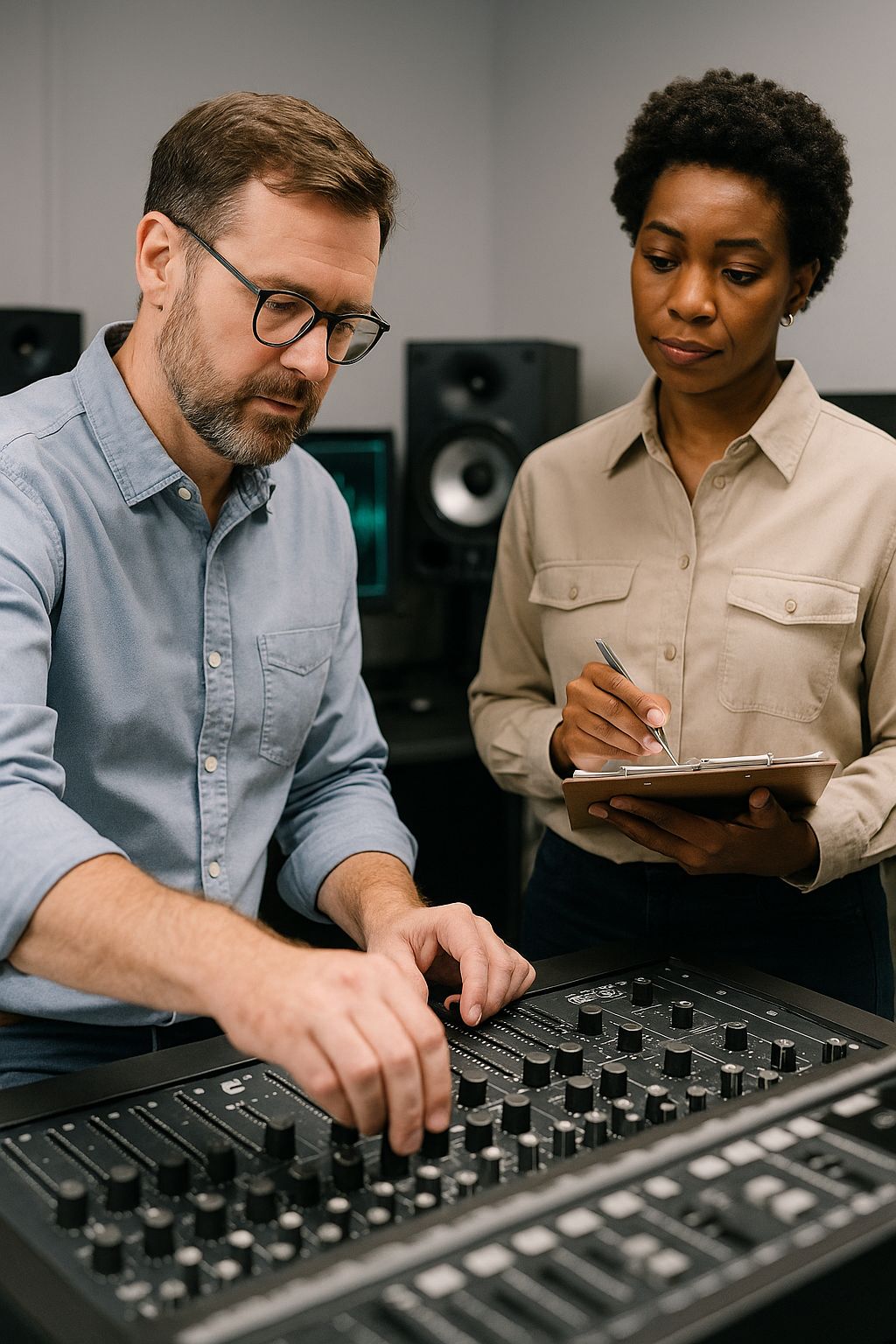
A Consumer Electronics Brand in Audio and Imaging Equipment Faces High Stakes in Retail Demos
The audio and imaging side of consumer electronics moves fast. New headphones, soundbars, and microphones hit shelves often. Shoppers want to hear the difference, see it, and feel it. That makes the in-store demo a make-or-break moment. For a brand that sells through national chains and specialty retailers, the sales floor is where customers decide if the product sings or falls flat.
On a busy weekend, a retail associate may have only a few minutes to understand what a shopper needs and show the right feature. Specs like noise canceling levels, pickup patterns, or low-light performance mean little until someone connects them to real life. A strong demo turns numbers into benefits. A weak one loses attention and the sale.
The stakes are high for the business and its partners:
- Conversion rate and average selling price rise or drop with demo quality
- Returns and exchanges go down when buyers know what to expect
- Customer satisfaction and reviews shape brand reputation
- Retailer confidence affects shelf space and promotion support
- Attach rates for accessories and services improve with a clear demo
A great demo is a skill, not a script. It calls for quick discovery, a tailored story, hands-on proof, and a confident close. Associates need to show how a mic handles background noise, how a soundbar fills the room, or how a camera keeps focus. They also need to handle common pushback on price, compatibility, or setup.
Doing this at scale is hard. Stores are loud. Time is tight. Teams turn over. Product lines refresh often. Promotions change week to week. Training must keep up without pulling people off the floor for long. That is the reality this brand faced, and it is why better coaching and smarter practice became a priority for leaders and learning teams.
Inconsistent Demo Quality and Fast Refresh Cycles Challenge Retail Performance
Across stores, demo quality swung from great to poor. In one location, a shopper heard clean sound and left with a premium bundle. In another, the same product sat idle because no one asked a single discovery question. That gap showed up in weekly numbers and in customer reviews.
Product refresh cycles made it harder. New headphones, mics, and cameras arrived often. Firmware updates changed features. Floor resets shifted layouts. By the time a team felt confident, a new model replaced the old one. Quick guides and PDFs went out of date, and new hires joined with little hands-on time.
Store conditions added more strain. Weekend traffic meant short, rushed conversations. Noise on the floor made audio demos tricky. Demo units were sometimes locked up, out of battery, or missing a key cable. Accessories that complete the story were not always nearby. Associates had to improvise in front of shoppers who could compare prices on their phones.
Leaders also lacked a clear view of skills. Course completions looked fine, but they did not predict what happened on the floor. Simple quizzes checked recall, not behavior. Managers wanted to coach but had limited time and no common playbook. Vendor reps could not cover every shift or every store.
The impact showed up in the business:
- Conversion and average selling price varied widely by store and week
- Attach rates for accessories and services lagged in key seasons
- Returns and exchanges rose when demos set the wrong expectations
- Customer ratings dipped when associates could not explain differences between models
- Retail partners questioned space and promotion for underperforming locations
The brand needed a way to raise the floor and the ceiling on demo performance. It had to be fast to update, easy to scale across partners, and grounded in real conversations on a busy sales floor. Most of all, it had to help teams practice the right moves and give managers a simple way to spot gaps and coach to them.
A Targeted Learning Strategy Aligns Competencies With Assessment and Practice
The team set a clear goal. Raise the floor and the ceiling on demos by naming the few skills that matter, measuring them, and practicing them until they stick. Training would mirror the real sales floor, fit into short windows, and give managers simple ways to coach.
They started with a shared set of demo competencies that link to business results. This gave everyone the same language and a simple rubric to coach against.
- Quick discovery that gets to the shopper’s use case
- Match of product to need with a clear, simple story
- Setup and demo under time pressure with working gear
- Show, do, and let the shopper try for themselves
- Objection handling on price, compatibility, and setup
- Confident close and next steps
- Ethical attach of accessories and services that add value
Next came measurement. A short diagnostic test showed what each associate knew and where they struggled. A brief certification checked for readiness on the floor. Scores rolled up to store and district views so managers could see patterns and plan coaching.
Practice then targeted those gaps. Associates ran short role-plays that felt like real conversations, with varied customer types and common floor issues such as noise or missing cables. Practice happened in ten-minute blocks before shifts, during slow periods, or in quick end-of-day sessions.
Managers received simple prompts to guide five-minute huddles and one-to-one debriefs. They could point to the same competencies, celebrate what went well, and assign the next practice rep. This kept coaching consistent across stores and partners.
The plan also fit the pace of the business. When a new model launched, the question bank and practice scenarios updated at once. Seasonal promos and bundles got their own quick drills. The goal was not more content. The goal was the right practice at the right time, tied to clear measures of progress.
In short, the strategy aligned what to do, how to check it, and how to get better at it. That focus turned scattered training into a repeatable system that supports real conversations on a busy sales floor.
Tests and Assessments Diagnose Skill Gaps and Certify Readiness
To make practice count, the team used two simple checks. A quick diagnostic showed where each associate stood. A short certification confirmed they were ready to demo on the floor. Both mapped to the same demo skills, so scores meant something in day-to-day work.
The diagnostic came first and stayed light. It took about seven minutes on a phone and used short, real scenarios. Questions sounded like customers. Examples included:
- You hear a shopper say they stream most music and care about voice clarity. Which two features should you highlight first and why
- A creator wants clean audio in a small room. What mic pattern would you demo and how would you set it up
- A demo unit is low on battery and the store is noisy. What is your next best move to keep the conversation going
- A shopper says they can get it cheaper online. What do you say to keep value in focus without discounting
Results rolled up by skill, not just by score. Each person saw a short summary in plain language. For example, strong at discovery, needs practice on objection handling and on attaching the right accessory. That made it easy to know what to work on next.
The certification checked for floor readiness. It mixed scenario questions with quick decision points. It also asked for a brief, recorded pitch to show how someone would open a demo and close with confidence. Passing meant the associate could lead live demos for that product family. If they missed the mark, they got a short set of practice reps and a chance to retry within a few days.
Cadence matched the business pace. New hires took the diagnostic during onboarding, then the certification when they felt ready. Short refresh checks ran before peak seasons and after major product launches. When features changed, the question bank updated the same week so tests stayed relevant.
Reporting kept coaching simple. Store and district views showed which skills needed attention. Managers could spot patterns like strong discovery but weak closes, or good headphone demos but shaky mic setups. That focus turned team huddles into quick, useful sessions instead of long lectures.
Design stayed fair and clear. No trick questions. Plain words. Visuals where they helped, like a pickup pattern diagram or a layout photo. The scoring rubric matched the skills in the playbook, so people trusted the process. The goal was not to catch anyone out. The goal was to find the gap, close it fast, and get more great demos on the floor.
AI-Powered Role-Play & Simulation Replicates Realistic Customer Conversations and Store Conditions
The team brought practice to life with AI-Powered Role-Play & Simulation. Associates could open the tool on a phone, pick a product family, and start a short, guided conversation that felt like a real shopper chat. The AI listened, asked follow up questions, and changed its tone based on what the associate said.
Customer personas kept practice real and varied:
- An audiophile comparing DACs and asking about bit depth and clarity
- A content creator testing mic pickup and asking about background noise
- A budget shopper cross shopping soundbars and looking for simple setup
Scenarios mirrored store conditions so skills would transfer:
- Loud floor noise that makes audio demos tough
- Time pressure with another shopper waiting
- Limited inventory or a demo unit that needs a cable or a charge
- Price checks on phones and side by side comparisons
The AI adapted in real time. If an associate skipped discovery, the customer grew unsure and asked off track questions. If the associate tied features to a clear need, the customer leaned in and asked for a try. If price came up, the AI tested value talk without inviting discounts. Each run felt different and stayed focused on the same demo skills used in the tests.
Practice stayed short and frequent. Most reps took five to ten minutes before a shift, during a lull, or in a quick end of day session. Associates could choose the next scenario based on their diagnostic results, so time went to the right skill. A headset expert might work on objection handling. A strong closer might practice mic setup in a noisy space.
After each session, the tool produced clear, useful output:
- A transcript of the conversation to review what was said
- Behavior tags such as skipped discovery, feature list without benefit, or strong value framing
- Two or three coaching prompts for a five minute huddle or a one to one chat
- A suggested next scenario to build on progress
Managers used the prompts to run quick huddles and to guide one to one reviews. Everyone spoke the same language because the tags matched the demo competencies and the assessment rubric. Over time, the team built confidence and a steady demo rhythm that held up on busy weekends and during new product launches.
The result was more than practice. It was targeted rehearsal that met associates where they were, reflected real store life, and turned coaching into a simple habit. That is how the program raised demo quality across different retailers and locations.
Managers Use Transcripts and Behavior Tags to Coach in Huddles and One to One Meetings
Managers had minutes, not hours, to coach. The transcripts and behavior tags from each simulation turned that time into action. A quick read showed what the associate said and how the customer reacted. Tags like skipped discovery or strong value framing pointed to the exact move to practice next. Everyone used the same demo competencies, so feedback stayed clear and fair.
How a five minute huddle worked
- Pick one recent transcript and skim the tags
- Choose one skill to focus on, such as opening discovery or closing with confidence
- Run a 60 second role play that mirrors the tagged moment
- Give one piece of praise and one specific fix
- Agree on a next step for today’s shift and a follow up scenario to try
What a one to one looked like
- Review two or three transcripts to spot a pattern
- Compare the behavior to the rubric, using plain language and examples
- Practice a short scene twice, first cold, then with the fix
- Set a micro goal for the week, such as ask two discovery questions before any demo
- Schedule a quick check in and pick the next simulation to match the goal
Tags turned into targeted coaching moves
- Skipped discovery turns into a simple opener: What will you use this for and where will you use it
- Feature list without benefit turns into a benefit frame: This mic has a cardioid pattern so your voice stands out and room noise fades
- Weak demo setup turns into a checklist: power, cable, sample track, volume level
- Price objection turns into value talk: side by side sound check, warranty, and setup support
- Soft close turns into clear options: Would you like to hear it with the sub or without, then we can ring up what you prefer
Rollups kept leaders focused
- Store views showed common tags, like strong headphone demos but shaky mic setups
- District snapshots highlighted where to send a vendor rep or a peer coach
- Top transcripts and clips became quick teaching moments in team chats
- Wins got public shout outs to reinforce the right habits
Coaching cadence fit retail reality
- Daily two to five minute huddles before opening or during a lull
- Weekly deeper practice for new launches or promos
- A 30, 60, 90 day path for new hires with checkpoints linked to certification
- Rapid refresh after firmware or layout changes with updated scenarios
The tone stayed positive. Managers coached behaviors, not personalities. They praised specific moves, like a clean handoff to a try it moment, and they kept goals small and visible. Diagnostic results pointed each person to the right simulations. Certification confirmed when someone was ready to lead demos without support. When gaps showed up again, the team went back to a short practice loop. Over time, the tags told a clear story. Fewer skipped discovery moments. More benefit language. Stronger closes. Better demos on busy days.
The Program Scales Across Retail Partners With Clear Metrics and Governance
To scale across many retail partners, the brand kept the program simple and consistent. The core stayed the same everywhere. Tests and Assessments set the bar. AI-Powered Role-Play and coaching made practice easy. Partners could make light tweaks for store layout or device names, but the skills, rubrics, and reports stayed common. That kept language and expectations clear from one store to the next.
Metrics were few and clear
- Sales results tracked in plain terms like conversion, average selling price, attach rate, and returns
- Readiness signals such as certification pass rate, time to readiness, and practice frequency in simulations
- Behavior trends from tags like skipped discovery and benefit framing to show real skill change
- Coaching health markers such as huddle cadence and manager follow ups
Dashboards kept everyone on the same page
- Store and district views that updated weekly with a simple green, yellow, red status
- Filters by product family and season to plan pushes for launches and holidays
- Side by side looks at assessment scores, simulation use, and sales results to spot links
- Quick exports for partner meetings and vendor rep route planning
Governance protected quality and speed
- A small working group with L&D, product marketing, and field leaders owned the playbook
- Clear roles for who writes scenarios, who approves updates, and who trains managers
- A standard change path with draft, pilot in a few stores, adjust, then full release
- Data rules that limited access by role and kept simulation transcripts for coaching only
- A simple version label on every test and scenario so stores knew what was current
Updates matched the pace of the business
- New model launches triggered a same week refresh of questions and scenarios
- Firmware and promo changes got micro updates to keep examples accurate
- Old content retired on a set date so no one trained on outdated features
New partner onboarding stayed light but structured
- A kickoff kit with the skills rubric, a short manager guide, and login steps
- A baseline diagnostic for all associates to target the first two weeks of practice
- One manager huddle demo to model the five minute coaching loop
- Light localization for store flow and common accessories, while keeping the core intact
Recognition drove healthy habits
- Weekly shout outs for stores that raised discovery rates or closed more cleanly
- Peer clips of strong openings and objection handling shared in team chats
- Friendly challenges tied to practice streaks and certification milestones
The result was a program that partners could adopt without heavy lift. Leaders saw the same measures. Associates practiced the same moves. Managers coached from the same prompts. Because updates and access were clear, the program stayed current as products changed and seasons shifted. That is how the brand held a steady demo standard at scale.
Standardized Demos Boost Conversion Confidence and Customer Experience
Standardized demos made the shopper experience feel clear and consistent from store to store. Associates walked into each conversation with a simple plan. They asked two quick questions, matched the product to the need, and let the shopper try it. Managers saw fewer misses and more confident closes, even on busy days.
The program paid off in the numbers and on the floor:
- Conversion in focus categories rose by about 10 percent on average
- Average selling price increased as more shoppers chose the right premium features
- Accessory and service attach rates improved by low double digits
- Returns and exchanges dropped as demos set clearer expectations
- Performance gaps between stores narrowed by roughly a third
- New hires reached demo readiness in far less time, moving from weeks to days
- Fewer ad hoc discounts were needed because value was clearer in the demo
- Customer comments more often mentioned helpful explanations and hands on trials
Day to day behavior changed in simple, visible ways. Associates led with a short discovery, then showed one or two features that mattered most. Audiophiles heard cleaner sound with the right track. Creators saw how a mic rejected room noise. Budget shoppers got a simple setup that worked the first time. When someone checked prices on a phone, the associate stayed calm and kept the focus on performance and support, not just cost.
Managers kept the drumbeat steady with quick huddles. In one pilot district, “skipped discovery” tags fell fast, and that shift alone lifted bundles and closes. The best transcripts became short teaching moments for the whole team. Over time, the floor felt more prepared, even when a demo unit needed a charge or a cable.
Retail partners noticed the change. Locations that improved their demo consistency earned better end caps, more weekend events, and stronger vendor support. Because updates to tests and scenarios rolled out in step with new products, the standard held through launch cycles and holiday peaks.
The bottom line is simple. Clear standards plus targeted practice built confidence, raised conversion, and gave customers a better experience. Shoppers left understanding what they were buying and why it fit their needs, and stores saw steadier results week after week.
Lessons for Executives and L&D Teams on Applying Assessments and Simulations to Frontline Sales
Here are practical takeaways you can use to bring assessments and simulations to frontline sales. The recipe is simple. Name the few skills that matter, check them with short tests, then practice them in AI simulations that feel like the sales floor. Coach in quick huddles. Track a few clear metrics. Update fast when products change.
Start with a tight skill map
- List six to eight must have moves such as discovery, demo setup, benefit language, objection handling, and close
- Write a one line description and a simple checkbox style rubric for each move
- Share this map with leaders, managers, and reps so everyone speaks the same language
Use short Tests and Assessments to find gaps
- Keep diagnostics under ten minutes on a phone with scenario based questions in plain words
- Make certification brief and tied to real work, like a recorded open and close
- Report by skill, not only by score, so next steps are obvious
Point practice where it matters with AI-Powered Role-Play & Simulation
- Feed diagnostic results into the simulation so each rep trains on the right skill first
- Use varied customer personas and real store conditions like noise and time pressure
- Keep reps short and frequent, five to ten minutes before a shift or during a lull
Equip managers to coach fast
- Give them transcripts and behavior tags so they can spot one fix in seconds
- Run five minute huddles with one praise and one clear improvement
- Set a small goal for the day, then pick the next simulation to match it
Track a few metrics that link to the business
- Conversion, average selling price, attach rate, and returns for sales impact
- Certification pass rate, time to readiness, and practice frequency for enablement health
- Top behavior tags like skipped discovery or strong value framing to show skill change
Build a light but firm update rhythm
- Assign clear owners for tests, scenarios, and manager guides
- Pilot updates in a few stores, tweak, then release to all
- Refresh content the same week as launches, promos, or firmware changes
Mind data use and trust
- Limit transcript access by role and use them for coaching, not for surprise grading
- Write clear privacy notes so teams know how data helps them
- Keep questions fair, remove tricks, and align scoring to the rubric
A 90 day path to get started
- Days 1 to 30, define the skill map, draft ten diagnostic items, and build three core simulations
- Days 31 to 60, pilot in two districts, train managers on five minute huddles, tune tags and prompts
- Days 61 to 90, add certification, roll out dashboards, expand scenarios for peak season use cases
Common pitfalls and simple fixes
- Too many skills, cut to the vital few that move sales
- Long tests, trim to mobile friendly checks that fit a break
- Practice without feedback, anchor every rep to a tag and a next step
- Updates that lag launches, schedule refresh work into the product calendar
- Manager overload, script the huddle and keep it to five minutes
What to expect when it works
- Faster time to demo readiness for new hires
- Fewer skipped discovery moments and stronger closes in transcripts
- More consistent demos across stores and partners
- Steadier conversion and higher confidence on busy days
The big idea is not more content. It is better practice that looks and feels like the real floor, guided by short Tests and Assessments, and kept on track by quick coaching. Do that, and you will see stronger demos, happier customers, and results that hold through product refresh cycles.
Deciding If Assessments and Simulations Fit Your Frontline Sales
The solution worked because it matched the reality of selling audio and imaging gear in busy retail stores. The brand faced uneven demos, quick product refreshes, and tough floor conditions like noise and time pressure. Short Tests and Assessments found the gaps and set a clear bar for readiness. AI-Powered Role-Play & Simulation gave reps a fast way to practice with realistic customer personas and store constraints. Transcripts and behavior tags turned into quick coaching in five minute huddles. Light dashboards and clear ownership kept updates on pace with launches. Results showed up in conversion, average selling price, attach rate, and fewer returns. Most of all, demos felt consistent from store to store.
Use the questions below to judge fit for your business and to plan a smart rollout.
- Do your sales hinge on short, live conversations that vary by associate or location
This reveals if the moment of truth is a demo or a guided chat. If yes, you have upside from standardizing skills. If most revenue is online or self serve, the model can still help but you may shift more to performance support and fewer live practice reps.
- Can you name the vital few skills that drive those moments
Without a tight skill map, tests and simulations scatter. A list of six to eight moves keeps focus. If you cannot name them yet, run quick floor observations and listen to a few calls to draft a first pass. The implication is a short, shared rubric that anchors questions, practice, and coaching.
- Can managers run five minute huddles and use transcripts for coaching with trust
Manager habits make or break this approach. Huddles keep practice steady. Transcripts and tags point to one fix at a time. If trust is low or time is tight, plan a simple huddle script, privacy notes, and a pilot that shows value fast. Use data for coaching, not surprise grading.
- Do you have a simple path to keep questions and scenarios current
Fast refresh cycles demand quick updates. You need clear owners, a light review step, and version labels. If this is missing, start small with three scenarios and a ten item diagnostic, then add more after a pilot. Make sure content loads on a phone and works on the store network.
- Can you track a few business metrics and link them to behavior change
You need a baseline and a way to see progress. Measure conversion, average selling price, attach rate, and returns. Pair those with certification pass rate and the most common behavior tags. If data is messy, run a controlled pilot in matched stores to prove lift before scaling.
If you answer yes to most of these, the fit is strong. Start with one product family, one region, and a 90 day plan. Keep tests short, practice frequent, and coaching simple. Align updates to launch dates. Share quick wins early to build momentum.
Estimating Cost And Effort For Assessments And AI Simulations
The estimates below reflect a first-year rollout for a mid-size program with about 500 frontline associates across 50 stores. The solution combines short Tests and Assessments, AI-Powered Role-Play & Simulation, manager coaching, and light analytics. Use these as planning guides and adjust to your rates, scale, and tool choices.
Key cost components explained
- Discovery and planning covers stakeholder interviews, a few store visits, current data review, and a clear definition of success metrics and scope. This sets guardrails and prevents rework later. One-time.
- Competency map and rubric design defines the six to eight demo skills, behavioral indicators, and pass standards. This anchors questions, scenarios, and coaching. One-time with light future tweaks.
- Assessment design and content production includes drafting diagnostic and certification items, editing, and small media aids. Also includes the scoring guide and feedback language. One-time with light future refresh.
- AI simulation scenario design and tuning builds realistic customer personas, store conditions, and behavior tags that tie to the rubric. Includes prompt tuning and pilot feedback cycles. One-time with periodic updates.
- AI simulation platform license is the annual subscription for learners to run role-plays on their phones. Recurring.
- LRS license for analytics provides a data store for assessment and simulation events and enables secure reporting. Recurring.
- Dashboard build and data mapping connects assessments, tags, and sales metrics into simple store and district views. One-time setup with later tweaks.
- Technology and integration setup handles SSO or simple user provisioning, mobile compatibility checks, and store network testing. One-time.
- Quality assurance and compliance review covers accessibility checks, privacy and data use review, and test item validation. One-time.
- Pilot and iteration funds a controlled field test in a few districts, feedback collection, and adjustments before scale. One-time.
- Manager enablement webinars provide short train-the-trainer sessions on five-minute huddles and how to use transcripts and tags. One-time per wave.
- Manager guides and job aids create quick coaching scripts, huddle checklists, and troubleshooting tips for floor realities. One-time with light refresh.
- Change management and communications aligns retail partners, sets expectations, and launches the program with clear messages. One-time per large release.
- Ongoing content refresh updates items and scenarios for new models, firmware changes, and seasonal promos. Recurring.
- Program support and administration covers office hours, helpdesk responses, and governance meetings. Recurring.
- Demo health kits for training provide spare cables, power banks, and media tracks so practice sessions run smoothly in-store. One-time starter cost.
- Recognition and engagement budget (optional) offers small rewards to keep practice streaks and coaching habits strong. Recurring but flexible.
| Cost Component | Unit Cost/Rate (USD) | Volume/Amount | Calculated Cost (USD) |
|---|---|---|---|
| Discovery and Planning | $150 per hour | 80 hours | $12,000 |
| Competency Map and Rubric Design | $120 per hour | 60 hours | $7,200 |
| Assessment Design and Content Production | $120 per hour | 120 hours | $14,400 |
| AI Simulation Scenario Design and Tuning | $130 per hour | 160 hours | $20,800 |
| AI Simulation Platform License (Year 1) | $4 per learner per month | 500 learners × 12 months | $24,000 |
| LRS License for Analytics (Year 1) | $8,000 per year | 1 | $8,000 |
| Dashboard Build and Data Mapping | $120 per hour | 40 hours | $4,800 |
| Technology and Integration Setup | $150 per hour | 60 hours | $9,000 |
| Quality Assurance and Compliance Review | $120 per hour | 40 hours | $4,800 |
| Pilot and Iteration | $120 per hour | 80 hours | $9,600 |
| Manager Enablement Webinars | $1,000 per webinar | 4 webinars | $4,000 |
| Manager Guides and Job Aids | $100 per hour | 40 hours | $4,000 |
| Change Management and Communications | $110 per hour | 40 hours | $4,400 |
| Ongoing Content Refresh (Year 1) | $120 per hour | 25 hours × 4 cycles | $12,000 |
| Program Support and Administration (Year 1) | $100 per hour | 156 hours | $15,600 |
| Demo Health Kits for Training | $150 per store | 50 stores | $7,500 |
| Recognition and Engagement Budget (Optional) | $50 per gift card | 10 per month × 12 months | $6,000 |
First-year view. The example above totals about $168,100, or roughly $336 per associate for 500 associates. Your number will change with learner count, in-house capacity, and platform pricing.
Effort snapshot. Plan for about 700 to 900 hours across instructional design, product SMEs, data, and light engineering during setup. Field managers need about one hour for enablement plus daily five-minute huddles that replace longer meetings. Associates invest seven minutes for the diagnostic, a short certification, and five to ten minutes of practice a few times per week.
Ways to right-size cost. Start with one product family and three customer personas. Reuse the same rubric across categories. Pilot in two districts before scaling. Update content in small monthly batches tied to your launch calendar.