Executive Summary: An Emergency Management public safety organization implemented Advanced Learning Analytics, paired with AI-Powered Role-Play & Simulation, to unify course, drill, and incident data and focus practice on critical communication behaviors. The program correlated training to more coordinated responses and higher interagency trust—evidenced by faster establishment of Unified Command, fewer duplicate dispatches, and tighter cross-agency task alignment—while giving leaders actionable dashboards and feedback loops. This case study outlines the challenges, solution design, results, and practical steps so peers can gauge fit and estimate cost and effort.
Focus Industry: Public Safety
Business Type: Emergency Management
Solution Implemented: Advanced Learning Analytics
Outcome: Correlate training to coordinated responses and trust.
Cost and Effort: A detailed breakdown of costs and efforts is provided in the corresponding section below.
Solution Supplier: eLearning Solutions Company
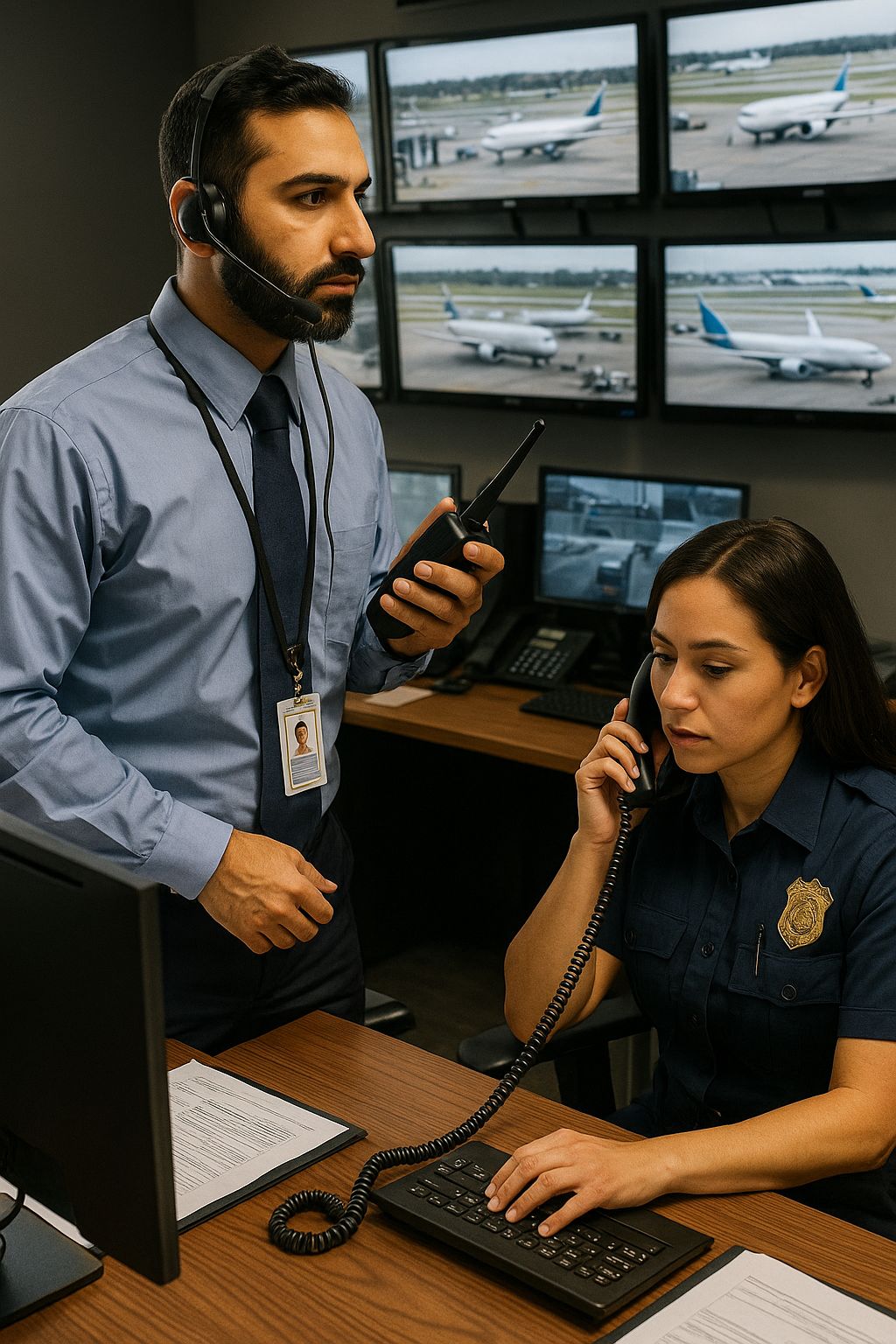
Emergency Management Public Safety Organizations Need Stronger Learning Evidence
When emergencies hit, the public counts on clear roles, fast decisions, and teams that move as one. That is the daily reality for emergency management groups in public safety. City and county departments, state agencies, and partner nonprofits train year round so they can stand up command, share information, and get help to people who need it. In moments that matter, training should show up as better coordination and trust on scene.
Yet many training programs still track the basics. We know who completed a course and how long it took. We do not always know if that learning changed what happens during a real incident. Leaders want to connect time spent in class to results like faster establishment of Unified Command, fewer duplicate dispatches, and smoother handoffs between agencies. Without that link, it is hard to defend budgets, target coaching, or prove readiness.
Getting this proof is hard. Data lives in many places. Courses sit in an LMS. Drill notes live in spreadsheets or PDFs. Radio traffic and dispatch records sit in other systems. After-action reports are long and hard to mine. Staff rotate across shifts and roles. Volunteers come and go. Partners bring their own tools and policies. Pulling all this into one clear picture of learning and performance can feel out of reach.
The stakes are high. When leaders lack strong evidence, training can drift toward what is easy to deliver instead of what changes outcomes. Teams may repeat the same mistakes because feedback arrives late or not at all. Interagency partners may doubt each other’s readiness, which slows decisions when every minute counts.
Stronger learning evidence means tying training to the behaviors that drive coordinated response. Think radio discipline, confirmation loops, role clarity, briefing quality, and timely escalations. It also means seeing patterns over time, not just one drill at a time, so you can spot gaps early and scale what works.
- Who is ready to step into key incident command roles today
- Which teams improve radio communication after targeted practice
- How long it takes to form Unified Command before and after a course update
- Where drills break down and what specific skills need coaching
- Which training investments lead to fewer errors and stronger partner trust
This article shows how one emergency management organization built that kind of evidence. They paired advanced analytics for learning and performance with realistic, AI-guided practice to capture the signals that matter and connect them to real outcomes. The result is a clearer story about readiness and a faster path from data to action.
If you lead a department or design training, you will see a practical way to move past seat time and quiz scores. You will learn how to measure what matters most for coordinated response and how to turn insights into better decisions, stronger teams, and greater public trust.
Siloed Training Data Across Courses, Drills, and Incidents Impede Coordination
Most emergency management teams collect a lot of training information, but it sits in separate places. Course records live in an LMS. Drill notes end up in spreadsheets or PDFs. Dispatch and radio logs sit in other systems. After-action reviews are long and hard to search. Partner agencies keep their own files. None of it lines up in one view.
This split makes it tough to see what training changes in real life. A team member can pass a course on radio discipline, yet during a storm the EOC still hears missed confirmations and overlapping updates. You want to know if coaching helped before the next event, but the data to answer that lives in five systems that do not talk to each other.
There are good reasons for the split. Agencies use different tools. Privacy and security rules limit sharing. Systems label roles in different ways. Time stamps do not match. Staff have to export files by hand and stitch them together. By the time a report is ready, the next drill or incident has already happened.
When data is siloed, leaders see activity, not impact. You can count completions and quiz scores, but you cannot show how learning improved coordination, sped up Unified Command, or reduced duplicate dispatches. Instructors guess at what to fix next. Partners question readiness because they do not see steady, shared progress.
- Completion rates look high, yet radio traffic still needs repeat calls and confirmations
- Two agencies send resources to the same task because no one closed the loop
- It is hard to know who is truly ready to fill key incident command roles
- After-action notes are rich in stories but thin on clear, comparable metrics
- Coaching arrives weeks later and is generic instead of focused on specific behaviors
- Trust slips when teams cannot point to evidence of improvement over time
The cost is slower decisions and friction between partners when minutes matter. To move forward, organizations need a way to connect learning signals from courses, drills, and real incidents so they can see patterns, act fast, and build shared trust.
We Unite Learning Data and Define Capability Metrics to Guide Action
Our plan was clear and practical. Bring learning and field data into one place. Agree on a short list of skills that matter during a real event. Then give leaders and coaches simple views that point to the next action. With that in place, training shifts from seat time to real gains in coordination and trust.
First, we pulled signals from where they already lived. Course completions and quiz scores from the LMS. Notes from drills. Radio and dispatch logs. After-action notes. We also added data from AI role-play that mirrored incident command and interagency work. We tagged each item with who, role, team, exercise or incident, and date. That let us compare apples to apples across courses, drills, and real events.
Next, we defined a small set of capability metrics. These were plain, observable behaviors that anyone in the room could see and count. They tied to outcomes people care about, like faster setup of Unified Command and fewer duplicate dispatches. We kept the list tight so the team could focus.
- Time to establish Unified Command after first unit arrival
- Percent of radio messages with closed-loop confirmation within 30 seconds
- Number of duplicate dispatches per event
- Clarity of assignments, rated by cross-agency peers after a briefing
- Quality of briefings based on simple checks like who, what, where, when, and why
- Accuracy and turnaround time for resource requests
- Adherence to key safety and policy steps for the role
- On-time and complete situation reports to shared partners
We then used AI-powered role-play and simulation to fill the gap between classroom and the field. Teams practiced radio discipline, EOC briefings, and resource requests in realistic scenes. The system adapted to choices and logged signals like confirmation rates, clarity, and escalation timing. Those signals flowed into the same view as drill and incident data, so we could track gains before the next real call.
Trust in the data mattered. We kept the focus on skills and roles, not on personal details. We used simple IDs across systems. We shared how we scored behaviors and invited partners to review and adjust the rubrics. Everyone could see the same playbook for what “good” looks like.
We rolled it out in small steps. Pick one region and two high-value roles. Test the data flow. Tune the metrics. Share quick wins in short briefings. Then add more roles and partners. Each cycle, instructors updated content and coaching based on what the data showed, not on guesswork.
- Start with a few metrics that tie to clear outcomes
- Use common tags for person, role, incident, and drill so data lines up
- Practice key behaviors in simulation to get fast feedback between real events
- Show simple visuals that point to the next coaching move
- Invite partners to help define and review what “good” means
This approach gave leaders a shared language and a single view of progress. Coaches could target practice where it mattered most. Teams saw proof that training linked to better field results. Most important, it set up a steady loop from learning to action to outcome, which is how readiness grows.
We Implement Advanced Learning Analytics With AI-Powered Role-Play and Simulation
To make the strategy real, we paired Advanced Learning Analytics with AI-powered role-play and simulation so teams could practice key moments and see the impact fast. The goal was simple. Give people a safe place to try hard tasks, capture what they did well and what slipped, then show clear links to how they perform in drills and real events.
We first built a clean path for data to flow. Course records, drill notes, dispatch and radio logs, after-action points, and simulation results all fed into one view. Each data point carried a few basics like person ID, role, event, and time. That kept things consistent without getting in the way. Updates happened quickly, so coaches could act while a lesson was still fresh.
The simulations focused on real work: incident command, EOC briefings, radio traffic, and resource-request negotiations. Learners spoke and typed as they would on a busy day. The AI reacted in real time and changed the scene based on choices. If a message was vague, the AI asked for clarity. If someone skipped a safety check, the AI raised a new risk. This gave teams real practice without real-world consequences.
While people practiced, the system recorded signals that matter for coordination. It tracked clarity and brevity of messages, confirmation rates, timing of escalations, and policy steps. It also checked briefing quality with simple rules like who, what, where, when, and why. These signals rolled up into the capability metrics we agreed on, so they matched what we saw in drills and incidents.
The analytics layer turned raw signals into simple stories leaders could use. Dashboards showed trends by role, team, and region. You could see time to Unified Command before and after a course update, watch duplicate dispatches drop after targeted radio practice, or compare briefing scores across shifts. Flags called out patterns, like a team that needed more work on closed-loop communication or a role that struggled with resource requests.
Coaches used this view to run tight feedback loops. Right after a session, they held a short huddle, showed two or three moments from the simulation, and tied them to the field metric they affect. Learners got a short micro-drill to try the next day. The next week, they ran a fresh scenario to test the fix. Progress showed up in the dashboard within hours, not weeks.
We treated trust as a requirement, not a nice-to-have. Scoring rules were plain and public. We ran short calibration sessions so instructors and agency partners rated the same clip the same way. We focused on roles and behaviors, not personal traits. Shared views across agencies used simple IDs and trends, not names.
- Start small with two high-impact roles and one incident type
- Use a short list of shared metrics that tie to field outcomes
- Run weekly micro-simulations and one monthly integrated drill
- Review results within 48 hours and assign a focused practice task
- Update scenarios and coaching cues based on what the data shows
Here is how it looked in practice. A storm readiness cycle showed low confirmation rates during radio handoffs. Within a week, teams ran two short simulations focused on closed-loop calls and clear tasking. The analytics showed faster confirmations in the sim, then a drop in duplicate dispatches at the next regional exercise. Peer surveys also marked a rise in trust during briefings.
By joining analytics with realistic practice, the organization built a living system that learns. People train on the exact moments that shape coordination. Leaders see which skills move the needle. And partners can point to shared evidence that training leads to faster, cleaner, and more trusted responses.
The Solution Unifies Signals From Courses, Simulations, Drills, and Real Incidents
Our solution brings all learning and field signals into one simple view so leaders can act with confidence. We pull data from courses, AI simulations, drills, and real incidents, then line it up against a short set of capability metrics that tie to coordination and trust. Instead of chasing files across systems, everyone sees the same picture of what changed and why.
Here is what flows in from each source and how we use it:
- Courses: completions, quiz topics, time on task, and pre‑post checks to show who covered what and when
- AI simulations: clarity and brevity of messages, closed-loop confirmation rates, escalation timing, policy steps, and briefing quality during incident command, EOC briefings, radio traffic, and resource requests
- Drills: inject times, role assignments, radio clips, handoff speed, resource request accuracy, and peer ratings after briefings
- Real incidents: dispatch milestones, time to Unified Command, duplicate dispatch counts, confirmation rates on critical messages, and turnaround time for key requests
- Surveys: quick post‑exercise trust and clarity scores across agencies
We tag every item with a few shared fields: role, team, event, date, and a simple person ID. That lets us match a learner’s simulation practice to their next drill, and then to a later incident. We also place events on one timeline, so it is easy to see what training happened before performance changed in the field.
All signals roll up into our capability metrics like time to Unified Command, confirmation rates, briefing quality, and duplicate dispatches. Because the same measures show up in courses, simulations, drills, and incidents, patterns jump out. If radio handoffs improve in the sim, we can watch for the same lift in the next regional exercise.
The shared view is built for action, not just reporting. Leaders see clean trend lines by role and region. Instructors see clips and moments to coach. Partners see a common scorecard, which builds trust. When a metric dips, the system points to the likely cause and suggests the next practice task or scenario.
- Check readiness by role and shift at a glance
- Spot friction in certain scenarios, like storm response or wildfire mutual aid
- Compare results before and after a course or scenario update
- Assign a focused micro‑simulation that targets one weak behavior
- Share a short, plain update with partner agencies to keep progress visible
Speed matters, so updates arrive within hours of a session. A team can practice in the morning, review key moments after lunch, and run a follow‑up drill the next day. We keep trust high by using clear scoring rules, focusing on roles and behaviors, and limiting who can view detailed records.
In short, the solution connects the dots. Practice in an AI‑guided scenario shows which habits stick. Drill data confirms those habits under pressure. Incident logs reveal the payoff on scene. With all four signals in one place, teams move from guesswork to evidence, and from evidence to better, faster, and more trusted coordination.
AI Simulations Capture Communication Behaviors That Matter in Incident Command
In incident command, small communication habits make or break coordination. Radios are busy, stress is high, and decisions stack up fast. Clear words, short messages, and a quick “I copy” keep people aligned and safe. That is why we used AI simulations to focus on the behaviors that matter most in the heat of a response.
The simulations mirror real work. Learners run radio traffic, give briefings in the EOC, and make or process resource requests. They speak or type as they would on a busy day. The AI takes on the roles of partner agencies and shifts the scene based on each choice. If a message lacks a location, a unit may search in the wrong area. If no one confirms a task, two teams might do the same job.
While people practice, the system listens for specific signals. It checks the clarity and brevity of messages. It tracks whether the sender asked for an acknowledgment and whether the receiver closed the loop within 30 seconds. It watches the order and timing of escalations and verifies key policy steps. It also scores briefing quality with simple checks like who, what, where, when, and why.
Here is a simple example. A learner assigns a task without a time window. The AI responds with a delay and a new risk. The learner then adds a deadline and repeats the task with a call sign and location. The system captures both attempts and shows how the second version reduced confusion and sped up action. People see the cause and effect right away, which makes the lesson stick.
- Use of clear tasking: who, what, where, when, and why
- Closed-loop confirmations within 30 seconds
- Plain language and correct call signs
- Concise radio messages that avoid repeats
- Timely escalations and notifications to the right role
- Structured briefings with clear assignments and safety notes
- Resource requests that include kind, type, quantity, and location
- Shift handoffs that state current conditions, priorities, and hazards
Feedback is quick and practical. Right after a run, learners get two or three clips with notes on what worked and what to try next. Coaches assign a short micro-drill, such as three radio exchanges that force a confirmation under time pressure. Teams repeat the scenario a week later to check for improvement.
These signals do not sit in a vacuum. They flow into the same analytics that track drills and real incidents. When confirmation rates rise in simulation, leaders can watch for fewer duplicate dispatches at the next exercise. Stronger briefing scores in practice often show up as faster setup of Unified Command and cleaner task alignment across agencies. Post-exercise surveys also reflect a lift in trust.
Trust in the process is essential. Scoring rules are clear and open to review. We focus on roles and behaviors, not personal traits. Partners can see shared trends without exposing names. The result is a safe place to build the exact skills that keep responses coordinated when it counts most.
Dashboards and Feedback Loops Drive Coaching and Curriculum Improvements
Dashboards turn raw training and field data into a simple guide for action. Coaches and leaders see what changed, where it changed, and what to do next. Instead of digging through files, they open one view and spot the few facts that matter for a safer, faster response.
At a glance, the dashboards show:
- Trends for key metrics by role, shift, and region, including time to Unified Command, confirmation rates, briefing scores, and duplicate dispatches
- Flags where performance dips and a suggested micro‑drill to target the gap
- Short clips from AI simulations and drills that show the exact moment to coach
- Before‑and‑after views when a course or scenario is updated
- Readiness by incident role, so you know who can step in today
- Quick partner surveys on clarity and trust after exercises
We pair the dashboards with fast feedback loops so practice turns into progress:
- Right after a session, run a 10‑minute huddle with two wins and one focus
- Assign a five‑minute micro‑drill that targets one behavior, such as closed‑loop calls
- Re‑run a short scenario the next week and compare the clips side by side
- Review a monthly roll‑up by role and incident type to lock in gains
These loops shape coaching and also shape the curriculum. When a pattern holds, the design team adjusts content and scenarios, then watches the trend line to confirm the change worked.
- Break long lessons into brief, practice‑first segments
- Add a radio brevity micro‑lesson when messages run long
- Update prompts in simulations to stress resource typing and location details
- Refresh checklists and job aids to support the field right away
- Tune scoring rubrics with partners so “good” means the same thing across agencies
Here is a typical cycle. Night shift data shows low confirmation rates during handoffs. Coaches review two clips, highlight the missed acknowledgments, and assign a three‑exchange micro‑drill. A week later, the same team runs a fresh scenario. The dashboard shows faster confirmations in the sim and fewer duplicate dispatches at the next exercise. Trust scores in the quick survey also tick up.
To keep adoption high, we keep the process simple and fair. Scoring rules are plain and open. We focus on roles and behaviors, not names. Partners see shared trends, while detailed clips stay with the training team. We set a 48‑hour window to review each session, so feedback arrives while the lesson is still fresh.
With clear dashboards and tight feedback loops, coaching is focused, courses improve, and practice time goes where it counts. The result is steady gains that teams can see and trust.
Analytics Correlate Training to Faster Unified Command and Higher Interagency Trust
Analytics gave leaders a clear line from practice to real results. Instead of hoping training would show up on scene, they could point to proof. When people improved specific skills in simulation and drills, field performance also moved. The clearest signs were faster setup of Unified Command and higher trust across agencies.
We built a simple way to test this. Set a baseline. Make a targeted change to training. Watch what happens next in simulations, then in drills, then in incidents of the same type and complexity. We compared shifts and regions that adopted the change with those that had not yet rolled it out. We kept the focus on a small set of shared measures so patterns were easy to spot.
Here are the links that stood out again and again:
- When closed‑loop confirmations rose in simulations, duplicate dispatches dropped in the next exercise and stayed lower during similar real events
- When briefing scores improved in practice, Unified Command formed faster and tasking aligned better across agencies
- When resource requests in simulation included kind, type, quantity, and location, approval cycles in drills shortened and back‑and‑forth messages fell
- When teams practiced short, clear radio messages, handoffs sped up and fewer updates needed a repeat
- When cross‑agency briefing practice increased, quick post‑exercise surveys showed higher trust and clearer shared priorities
Leaders used these links to steer investments. They added weekly micro‑sim runs for roles that drive command setup. They moved radio practice earlier in the curriculum for storm season. They retired content that did not move the needle and doubled down on scenarios that did. Instructors coached to one or two behaviors at a time and watched the next drill to confirm the lift.
We did not claim every gain came from training. Incidents vary. To stay fair, we compared like with like and looked for changes that held across time, shifts, and teams. Scoring rules were open to review. Partners could see shared trends without exposing names. This kept confidence high while still pushing for results.
The outcome is a proof line that everyone can understand. Better practice on the exact moments that shape coordination leads to faster Unified Command, fewer missteps, and higher interagency trust. With that evidence in hand, leaders can defend budgets, set clear priorities, and keep improvements moving.
The Program Reduces Duplicate Dispatches and Improves Cross-Agency Task Alignment
The program delivered clear, on-the-ground results. Teams saw fewer duplicate dispatches and tighter task alignment across agencies. That meant less wasted motion, safer operations, and faster help for the public. People knew who was doing what, where, and by when, and they closed the loop on key messages so nothing slipped through the cracks.
Duplicate dispatches often come from small misses. A vague location. A task without a call sign. A handoff with no confirmation. We targeted these moments in AI simulations and drills, then watched the same signals during real events. Closed-loop confirmations rose, messages got shorter and clearer, and resource requests included the right details. As these habits took hold, duplicate dispatches trended down in exercises and held lower during similar incidents.
Task alignment improved for the same reason. Briefings followed a simple structure and named clear priorities. Assignments included who, what, where, when, and why. Teams logged decisions and updates so partners could track changes in real time. When plans shifted, the next radio call restated the assignment and asked for an acknowledgment. The result was cleaner coverage, fewer overlaps, and fewer gaps.
Here is a typical scenario. Two agencies used to send crews to the same perimeter check during storms. After a week of short simulations on handoffs and resource typing, teams began to add call signs, locations, and time windows to each task and always asked for an acknowledgment. In the next regional exercise, the same perimeter was covered once, not twice, and a second crew moved to a higher-priority area. The change showed up in the dashboard the same day.
- Higher closed-loop confirmation rates during radio handoffs
- More complete resource requests that include kind, type, quantity, and location
- Shorter, clearer messages that cut repeat traffic
- Briefings with clear priorities, assignments, and safety notes
- Fewer instances of two units on the same task and better coverage of open tasks
- Faster setup of Unified Command that helps align work across agencies
We kept the improvement cycle simple. Run a short simulation. Review two clips and call out one behavior to fix. Assign a five-minute micro drill. Re-run a scenario the next week and check the change. Instructors also tweaked course content and job aids to reinforce the target habits, then watched the trend line to confirm the lift.
Analytics tied it all together. Signals from simulations, drills, and incidents rolled up into a small set of shared metrics. When confirmation rates rose in practice, duplicate dispatches fell in the next exercise. When briefing quality improved, cross-agency task alignment scores climbed. Quick partner surveys echoed the shift with higher ratings for clarity and trust.
These gains did more than speed operations. They freed up units for higher-priority work, reduced fatigue from rework, and lowered friction between partners. Leaders used the evidence to focus training time where it paid off and to retire lessons that did not move results.
The takeaway is practical. When teams practice the exact moments that drive coordination and see the impact right away, good habits stick. With steady feedback and a clear view of results, duplicate dispatches stay low, tasks line up across agencies, and responses run smoother when it counts.
Leaders Capture Lessons and Scale What Works Across the Training Ecosystem
Leaders turned insights into habits that spread across the entire training ecosystem. They did this by capturing what worked in a simple, shareable way, moving fast to test it again in the next class or drill, and folding the improvement into courses, simulations, and job aids. Wins in one region became the new normal in the next.
They used a short “lesson card” to keep things clear. Each card named the behavior, showed proof with a clip or metric, explained why it matters, and listed the fix. It also named an owner and a date to check results. Because the card was short and specific, instructors and coaches could act right away.
- Behavior to reinforce or fix
- Evidence from a clip or metric
- Why it matters for safety and coordination
- Action to try next time
- Owner and follow-up date
Scaling relied on a steady rhythm. Leaders set a few simple cadences that everyone could follow. This kept momentum high without adding heavy process.
- Run a 48-hour review after each session with two wins and one focus area
- Share a scenario of the month that targets a common gap
- Hold weekly coach huddles to swap clips and tune feedback
- Publish a monthly roll up by role and region with three clear takeaways
- Refresh course pages and job aids with the latest wording and checklists
- Host a cross-agency workgroup to align rubrics and definitions of “good”
Content scaled right along with the lessons. Designers added the most effective scenarios to a shared library and bundled five minute micro drills by skill, such as closed loop calls or resource typing. They updated checklists to match the new habits and placed links in the LMS, the simulation hub, and the field portal so people could find them fast.
Instructor quality stayed high through simple calibration. Every month, instructors and a few partner leads scored the same short clips and compared notes. They kept the focus on roles and behaviors, not names. They also rotated scenario authorship so fresh examples came from different agencies and shifts.
New staff felt the benefits right away. Onboarding used the same metrics and the same top scenarios. Trainees saw what “good” looks like, practiced it in AI simulations, and carried those habits into drills. Recert sessions checked the same few measures, which kept expectations steady across time and teams.
Leaders used the evidence to steer resources. They doubled down on scenarios that moved time to Unified Command and reduced duplicate dispatches. They trimmed lessons that did not change outcomes. They put more coaching where the dashboards showed the biggest lift per hour of practice.
Trust stayed central. Scoring rules were open to review. Shared views showed trends by role and team, not names. Access to detailed clips stayed with the training team. Partners could still see clear progress and had a voice in how success was defined.
Here is the payoff. A radio handoff fix proved itself in one region, then spread through a scenario of the month and an updated checklist. Within a quarter, three more regions showed faster confirmations, fewer repeats, and tighter task alignment. The same pattern held in a seasonal storm exercise and then in real events.
The result is a learning system that keeps getting better. Lessons move quickly from discovery to practice to standard. People train on what matters most, share proof that it works, and scale it across the whole program. That is how coordination improves and trust grows, one clear habit at a time.
Guiding the Fit Discussion for Advanced Learning Analytics With AI Simulation
The solution worked in emergency management because it solved a few stubborn problems at once. Training data lived in many places and leaders could not show how courses changed what happened on scene. Teams from different agencies used different tools and spoke in different ways during busy moments. By uniting signals from courses, drills, incidents, and AI simulations, the program created one clear picture tied to a short list of capability metrics. Coaches used simple dashboards to target practice, update lessons, and check results within days, not weeks. The payoff showed up in the field as faster Unified Command, fewer duplicate dispatches, better task alignment, and higher trust across agencies.
AI-Powered Role-Play & Simulation was the practice ground that made the analytics useful. It put people into lifelike incident command moments, EOC briefings, radio exchanges, and resource requests. The system adapted to choices and captured concrete signals such as clarity, brevity, confirmation rates, escalation timing, and policy steps. Those signals flowed into the analytics layer and lined up with drill and incident data. Leaders could see which behaviors improved and how that linked to coordination on scene.
Adoption stayed high because trust came first. Scoring rules were plain and open, views focused on roles and behaviors, and cross-agency trends did not expose names. The rollout started small with two roles and one incident type, then grew as teams saw proof. If your organization faces similar hurdles, the same approach can fit, but only if a few conditions are in place.
- Which two or three field outcomes will you improve first, and how will you measure them consistently
Why it matters: Clear targets keep the work focused and make return on effort visible. Pick outcomes like time to Unified Command, duplicate dispatches, briefing quality, or confirmation rates.
What it uncovers: Whether you can set a baseline, define shared scoring, and track progress by role and incident type. If you cannot measure it yet, start with simulation metrics and set a plan to collect field data. - Do you have access and permission to connect the right data sources across courses, drills, and incidents
Why it matters: Correlation needs clean, timely data with common tags for role, event, and time. Key sources include the LMS, drill notes, radio and dispatch logs, and after-action reviews.
What it uncovers: Gaps in data quality, governance, and privacy. If access is limited, begin with simulations and drills while you set up a secure data hub and agreements for sharing trends without exposing personal details. - Will leaders, instructors, and partner agencies support behavior-based measurement and shared trend views
Why it matters: The program thrives on honest feedback and a shared definition of what good looks like. Buy-in reduces friction and speeds change.
What it uncovers: The need for clear scoring rubrics, anonymized cross-agency dashboards, and coach training. If trust is fragile, run a short pilot with open rules and focus on wins that matter to all partners. - Can you sustain a simple practice and feedback rhythm within normal operations
Why it matters: Skills stick with short, frequent practice and fast coaching. A steady cadence turns insights into habits.
What it uncovers: Whether you can block time for weekly micro-simulations, 48-hour reviews, and monthly rollups. If time is tight, embed five-minute drills in shift changes and keep reviews to two wins and one focus. - Do you have the skills and budget to build scenarios, maintain dashboards, and calibrate scoring
Why it matters: Good content and fair scoring drive adoption. Clean dashboards make action obvious.
What it uncovers: The need for a small team that can author scenarios, tune rubrics with partners, manage a learning record store or data hub, and keep visuals simple. If resources are limited, start with vendor templates, a narrow set of metrics, and a phased rollout.
If your answers point to clear outcomes, reachable data, a culture open to behavior-based feedback, time for short practice, and enough support to build and tune content, this approach is likely a strong fit. Start small, prove value in weeks, and scale what works.
Estimating Cost And Effort For Advanced Learning Analytics With AI Simulation
This estimate reflects what it takes to stand up Advanced Learning Analytics paired with AI-powered role-play and simulation in an emergency management context. The numbers use a mid-size scenario with about 200 active learners over a six-month rollout, a short list of priority roles, and a focus on incident command, radio traffic, EOC briefings, and resource requests. Rates and volumes vary by market, tool choice, and scope, so use these figures as planning placeholders and adjust to your reality.
Key cost components explained
- Discovery and planning: Workshops to align goals, define scope, set success criteria, map current systems, and agree on governance and timelines.
- Capability metrics and rubric design: Define the few behaviors you will measure and how you will score them across courses, simulations, drills, and incidents.
- AI simulation platform license: User access to run adaptive scenarios for incident command, EOC briefings, radio exchanges, and resource requests.
- Speech-to-text and audio processing: Usage credits to capture and score spoken radio traffic and briefings during simulations.
- Learning record store (LRS): A central place to collect xAPI data from the LMS, simulations, drills, and field systems.
- Data engineering and integration: Connectors and data pipelines that align IDs, roles, time stamps, and events across the LMS, LRS, CAD or dispatch feeds, and simulation logs.
- Analytics and dashboards: Build role-based scorecards and trend views that turn raw signals into clear next actions; includes BI setup and dashboard development.
- BI tool licenses: Viewer seats for leaders and coaches who will use dashboards.
- Scenario and content production: Author lifelike scenarios, prompts, and grading rules; create short micro-drills that target one behavior at a time.
- Quality assurance, calibration, and accessibility: Test scenarios and dashboards, run scoring calibration sessions with instructors and partners, and check key accessibility needs.
- Security and privacy review: Confirm data minimization, role-based access, and safe sharing of trend views without exposing personal details.
- Pilot delivery and coaching: Run a short pilot, facilitate sessions, review clips, and tune content and metrics based on early results.
- Change management and communications: Brief leaders and partners, publish a clear playbook, and run updates that build trust and adoption.
- Enablement and train-the-trainer: Prepare instructors and coaches to run simulations, read dashboards, and give fast feedback.
- Deployment and rollout configuration: SSO, permissions, environment setup, and region or agency onboarding.
- Ongoing support and optimization: Data operations, scenario refreshes, help desk, and monthly reviews that keep the loop running.
- Contingency and risk reserve: A buffer for scope changes, integration unknowns, and added scenarios for seasonal incidents.
| Cost Component | Unit Cost/Rate (USD) | Volume/Amount | Calculated Cost (USD) |
|---|---|---|---|
| Discovery and Planning | $180 per hour | 140 hours | $25,200 |
| Capability Metrics and Rubric Design | $160 per hour | 60 hours | $9,600 |
| AI Simulation Platform License | $35 per user per month | 1,200 user-months (200 users × 6 months) | $42,000 |
| Speech-to-Text and Audio Processing Credits | $1.20 per simulated audio hour | 1,800 hours (approx. 300 hours/month × 6) | $2,160 |
| Learning Record Store (LRS) Subscription | $6,000 per year | 1 year | $6,000 |
| Data Engineering and System Integration | $165 per hour | 120 hours | $19,800 |
| Analytics and Dashboard Development | $170 per hour | 160 hours | $27,200 |
| BI/Analytics Tool Licenses | $20 per user per month | 240 user-months (20 users × 12 months) | $4,800 |
| Scenario Production (Incident Command, EOC, Radio, Resource) | $2,000 per scenario package | 12 packages | $24,000 |
| Micro-Drill Pack Production | $400 per micro-drill | 18 micro-drills | $7,200 |
| Quality Assurance, Calibration, Accessibility | $150 per hour | 60 hours | $9,000 |
| Security and Privacy Review | $190 per hour | 40 hours | $7,600 |
| Pilot Delivery and Coaching | $120 per hour | 48 hours | $5,760 |
| Change Management and Communications | $140 per hour | 60 hours | $8,400 |
| Enablement and Train-the-Trainer | $130 per hour | 68 hours | $8,840 |
| Deployment and Rollout Configuration | $160 per hour | 44 hours | $7,040 |
| Ongoing Support and Optimization (6 months) | $150 per hour | 120 hours | $18,000 |
| Contingency and Risk Reserve | 10% of subtotal | Subtotal $232,600 | $23,260 |
| Total Program Estimate | N/A | N/A | $255,860 |
How to scale this up or down
- Learners: Licenses and support scale with active users. Add or remove seats in monthly steps.
- Roles and scenarios: Each added role or incident type usually adds a few scenarios and micro-drills; budget per scenario and drill accordingly.
- Regions and partners: New regions add deployment time, enablement, and some change management. Reuse shared content to keep costs down.
- Data feeds: Extra systems increase integration hours. Start with LMS, simulations, and one field source, then expand.
- Time frame: A longer pilot spreads cost but may add more support and content refresh work.
Plan to prove value in the first eight to twelve weeks. Start with two high-impact roles, a handful of scenarios, and a short dashboard set. Use early wins to focus the next round of investment where it moves the field outcomes you care about most.