Executive Summary: A government administration public works agency implemented a Fairness and Consistency learning strategy to standardize procedures and evaluation across districts. Using AI-powered exploration and decision trees, crews practiced end-to-end storm response sequencing in realistic simulations, building safer, faster, and more coordinated operations. The case study reviews the challenges, solution design, rollout, measurable results, lessons learned, and cost considerations for leaders and L&D teams considering a similar approach.
Focus Industry: Government Administration
Business Type: Public Works Administration
Solution Implemented: Fairness and Consistency
Outcome: Practice storm response sequencing in simulations.
Cost and Effort: A detailed breakdown of costs and efforts is provided in the corresponding section below.
Developed by: eLearning Solutions Company
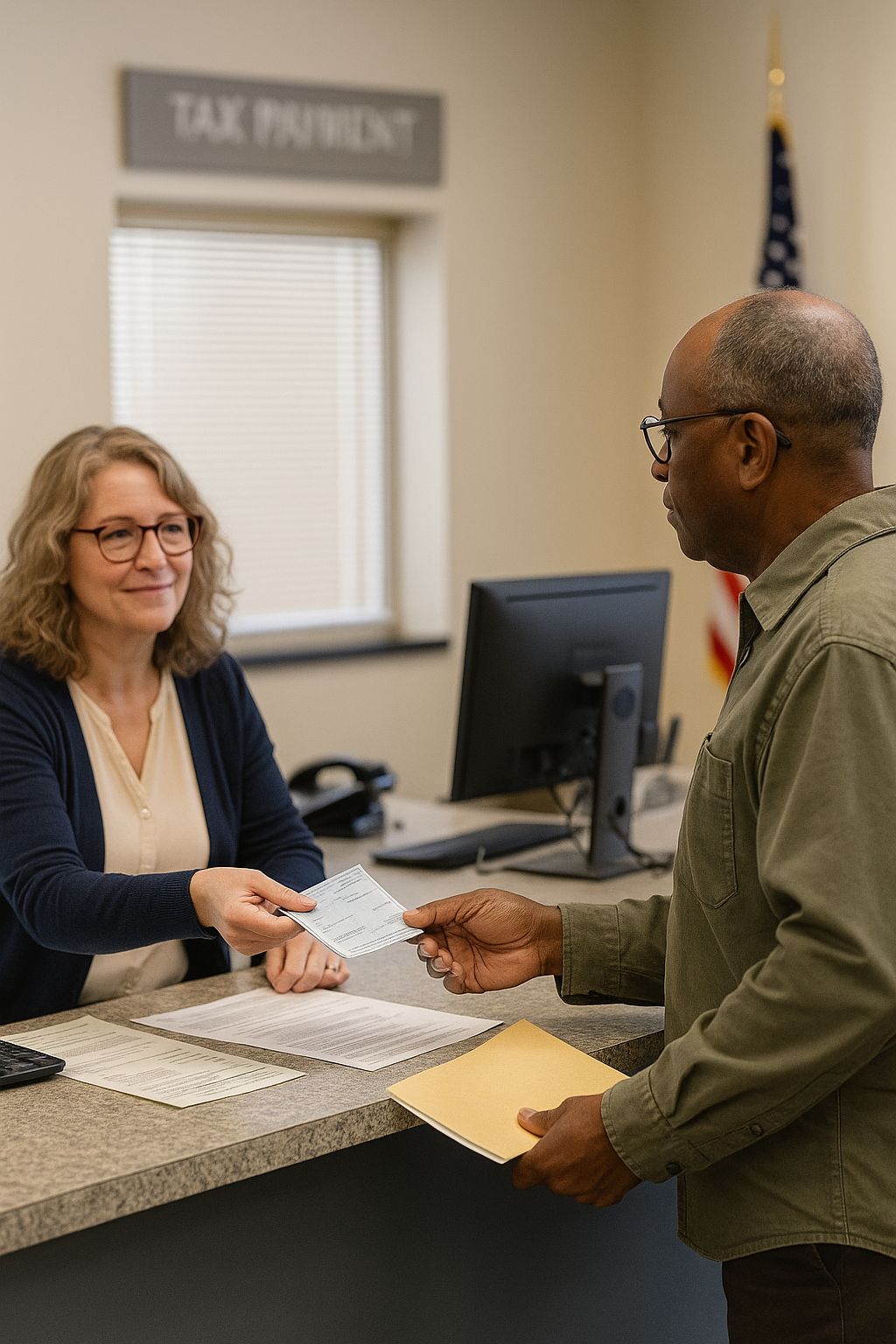
A Government Administration Public Works Agency Operates Critical Infrastructure Under Growing Weather Risk
Public works sits at the heart of government administration. This agency keeps people and goods moving, protects water and stormwater systems, and supports neighborhoods every hour of the day. It maintains roads and bridges, clears drains and culverts, runs traffic signals, and fields urgent requests from residents. Crews include heavy equipment operators, electricians, laborers, and supervisors. Dispatchers route jobs. Fleet teams keep trucks and generators ready. The work is local and very visible, and it depends on trust from the public.
Weather risk is rising. Downpours arrive with little warning. High winds drop trees across lanes. Snow and ice can stack up fast. A single storm can flood underpasses, clog inlets, and knock out power to signals. When that happens, public works is often first in and last out. The job is to make quick, safe choices that reopen roads, protect property, and keep people out of harm’s way.
- Protect lives and property during severe weather
- Keep priority routes open for police, fire, and ambulances
- Restore traffic signals and clear debris to reduce crashes
- Prevent flooding by keeping water moving through drains and ditches
- Place crews and equipment where they will do the most good
- Share clear updates with other agencies and the public
- Use taxpayer funds wisely and meet safety and labor rules
- Serve every district with the same standard of care
The operating picture is complex. Crews spread across districts and shifts. Some team members bring decades of know-how, while others are new. Infrastructure varies by neighborhood, with older assets in some areas and recent upgrades in others. Calls flood in at once during a storm. Supervisors need to set priorities, stage resources, and confirm that safety checks happen in the right order. One skipped step can make a bad situation worse.
All of this raises the stakes for how the agency prepares its people. Leaders want crews who make sound, repeatable decisions under pressure. They also want every worker, on any shift and in any district, to learn and apply the same playbook. That means clear standards, equal access to practice, and a fair way to measure what good looks like. This case study explores how the agency built that foundation so teams can respond faster and safer when the next storm hits.
Inconsistent Procedures and Uneven Training Access Hamper Coordinated Storm Response
When a storm hits, dozens of people move at once. Crews roll, dispatch phones light up, and leaders juggle calls from other agencies. Yet the agency did not always follow the same steps across districts. One team cleared debris first. Another started with traffic control. A third waited for utility updates before moving. New hires learned from whoever trained them that week. Good intent, different playbooks. That made it hard to work as one system when seconds count.
Access to training also varied. Rotating shifts, overtime, and seasonal staffing left little shared time for practice. Some crews could attend a drill at the yard. Others missed it because they were on nights or on storm watch. In many places, refreshers were rare and depended on a busy supervisor’s schedule. Printed binders lived in trucks, but updates took time to reach everyone. A few tabletop sessions ran each year, yet content and standards changed by instructor, so people walked away with uneven guidance.
- Crews used different orders of steps to close roads, set detours, and secure scenes
- Calls to utilities or 911 came late or not at all, slowing power or tree work
- Pumps and sandbags went out before upstream inlets were cleared, wasting effort
- Debris was moved before downed wires were ruled safe, raising risk
- Trucks arrived without the right attachments, causing extra trips
- Multiple crews showed up to the same site while other hotspots waited
- Status updates were inconsistent, so leaders lacked a clean picture of progress
People also felt the system was not always fair. In one district, a talk-through at a tailgate meeting counted as proof of skill. In another, a worker had to pass a hands-on drill to earn the same credit. Some teams had access to more up-to-date gear and checklists, while others shared older materials. Experienced staff could lean on memory, but newer workers wanted clear steps and equal chances to practice. Different rules and different access made trust and confidence harder to build.
The root issue was simple. The agency needed a shared, repeatable storm response sequence and a way for every crew member to practice it the same way, no matter the shift or district. Without that, leaders could not count on the right step happening at the right time, and small slips could turn into longer closures and higher risk. The stakes pushed the team to rethink how they train, how they check skills, and how they make practice both fair and consistent for all.
A Fairness and Consistency Framework Anchors the Learning Strategy
To fix the uneven storm response, leaders chose a simple idea to guide every training choice. Make it fair. Make it consistent. Fairness means every worker gets the same chance to learn, practice, and be judged by the same clear rules. Consistency means everyone follows the same storm sequence, uses the same language, and knows the same priorities. If people can count on that, they can act fast and work as one team.
The framework rested on a few plain anchors that everyone could remember.
- One playbook that shows the storm response steps and why each step matters
- Clear roles and handoffs so no one wonders who does what or when
- Equal access to practice across shifts with short sessions that fit real schedules
- Shared scoring rules so evaluation feels the same in every district
- A quick feedback loop that updates the playbook when crews find better ways
The team wrote down what good looks like for each role. This gave people a target they could see and practice.
- Supervisors: set priorities, assign crews, confirm safety checks before work starts
- Dispatchers: log events, time-stamp key steps, and route updates to the right people
- Field crews: secure the scene, set traffic control, remove hazards, and clear drainage in the right order
- Liaisons: sync with utilities, police, and communications so efforts do not collide
Fairness showed up in the learning plan, not only in words. Everyone saw the same checklists, the same examples, and the same rubrics before practice started. Training windows rotated so nights and weekends had the same access as days. Materials used plain language and pictures. They worked on phones and tablets. Updates went to a single source of truth so no one trained on old steps.
Consistency shaped how practice worked. Scenarios changed weather and resources to feel real, but the decision points stayed the same. The order of steps did not shift by district. Assessors met to calibrate on what “meets standard” looks like. After each drill, crews reviewed what went well and what to fix next time, and those notes flowed back into the playbook.
This framework created a level field and a common way of working. It also set the stage for a solution that let every crew rehearse the full storm sequence the same way, learn from mistakes in a safe space, and carry the same standards into the field.
AI-Powered Exploration & Decision Trees Guide Crews Through End-to-End Storm Response Sequencing
The team turned the new playbook into hands-on practice with AI-Powered Exploration & Decision Trees. Each scenario mirrored a real storm and asked a simple question at every step: What would you do next? Crews moved through triage, road closures, resource staging, communications, and restoration while the AI changed key details like flooding level, asset damage, and crew availability. This let people test choices in a safe space that still felt like the field.
To make the work clear and repeatable, the full sequence was built into each simulation so learners could rehearse it end to end.
- Triage the scene and check for life-safety hazards
- Set traffic control and close or detour as needed
- Notify utilities and partner agencies with the right details
- Stage crews and equipment based on priority routes
- Clear drainage in the right order to prevent backflow
- Remove debris and stabilize the site
- Restore normal operations and document the work
- Report status so leaders see progress in real time
The AI varied the pressure. One run might show fast rising water near an underpass. Another might include a downed tree with possible wires on a school route at dusk. The facts shifted, but the rules did not. This helped crews build judgment without guessing which standard applied.
Fairness and consistency were built into the design. Every learner faced the same decision gates and the same SOP checkpoints, no matter the district or shift. The system checked for the order of steps, not just the final result, and used the same scoring guide for all. People saw the criteria up front, so expectations were clear.
- Confirm the scene is safe before sending anyone under or near hazards
- Place cones and barricades before starting removal work
- Call the utility when damage or wires are present and log the time
- Clear upstream inlets before pumping to avoid wasted effort
- Stage equipment to cover priority routes first
- Record status updates at each handoff
Choices had visible consequences. If a learner skipped traffic control, the simulation showed near misses and delays. If they pumped before clearing upstream inlets, water backed up on the next screen. After each run, people could replay branches, test a different choice, and compare their path to the approved sequence. This made cause and effect easy to see and quick to fix.
Access was simple. Sessions took about 10 to 15 minutes, ran on phones and tablets, and fit into shift changes. Crews could practice during calm weather or between calls. Nights and weekends had the same chance to train as days. Supervisors used a shared dashboard to see who practiced, where errors clustered, and which steps needed a quick refresher.
Most important, the tool turned a static checklist into active learning. Crews did not just read the playbook. They lived it, one decision at a time, with clear rules and the same yardstick for everyone. That practice built muscle memory and trust that the next storm would meet a faster, safer, and more coordinated response.
Standardized Decision Gates and SOP Checkpoints Ensure Consistent Evaluation Across Districts
To make training fair across districts, the agency set the same decision gates and SOP checkpoints in every simulation. A decision gate is a moment you must confirm before you move on. A checkpoint is the proof that the right step happened in the right way. With the gates and checkpoints fixed for all, no one trains to a moving target, and everyone knows what good looks like.
Decision gates kept the sequence tight. Learners could not skip ahead. The system paused until the gate was met, then moved to the next step.
- Is the scene safe to enter and are life-safety risks addressed
- Is traffic control in place and is the road status set and visible
- Have utilities been notified when damage or wires are present
- Do we understand water flow and have we planned upstream clearing
- Are crews and equipment staged to cover the highest priorities first
- Is the communication plan set so updates reach the right partners
SOP checkpoints captured the evidence of good work. They showed that the team did each step in the right order and with the right details.
- Log a time-stamped utility call when hazards are found
- Place cones and barricades before removal work starts
- Clear upstream inlets before any pumping begins
- Verify PPE at the tailgate briefing before tool use
- Run a final sweep before reopening a lane or site
- Send a status update to dispatch with the correct code
Scoring stayed simple and transparent. A run passed when the learner hit every gate and checkpoint in order. Safety gates carried the most weight. If someone made a wrong move but corrected it before harm, the system noted the fix and gave partial credit. The same rubric showed before every session, so people knew the rules from the start.
Supervisors also met for short calibration huddles. They reviewed sample runs, talked through gray calls, and aligned on one standard. If a rule needed a tweak, the team updated the simulation and the playbook at the same time. This kept trust high and removed guesswork from scoring.
Learners received clear feedback after each run. They saw which gate they missed, why it mattered, and how to fix it on the replay. A simple report compared their path to the approved sequence and flagged the next step to practice. People could try again right away and watch cause and effect play out on screen.
Common gates and checkpoints gave leaders a clean view across districts. They could spot where crews stalled, target coaching, and move teams across zones during big storms with confidence that everyone followed the same steps. The activity record also helped with after action reviews and safety audits.
Local details still fit. Districts added notes about key routes, flood-prone spots, and local contacts. Those details enriched practice without changing the core rules. The result was one fair standard with room for local knowledge, which made coordination faster and safer for everyone.
Outcomes and Impact Show Faster, Safer, and More Reliable Storm Operations
After the rollout, training felt different and field work did too. People practiced the same storm sequence, saw the scoring rules before they began, and could try again right away. Short sessions fit into real shifts, so nights and weekends trained as often as days. Trust rose because crews knew they were judged by the same checklist in every district.
- Faster first moves: Crews set traffic control sooner, called the right partners earlier, and reached the correct next step without pauses or guesswork
- Safer worksites: Early life-safety checks became routine, near misses dropped in simulations, and field teams reported fewer close calls tied to out-of-order steps
- Fewer do-overs: People stopped pumping before clearing upstream inlets and cut down on return trips to fix avoidable issues
- Reliable sequencing: Out-of-sequence errors fell in practice runs, and the same playbook showed up in field decisions across districts
- Better coordination: Standard status updates gave leaders a clear picture of progress, so they shifted crews where they were needed most without confusion
- Smarter use of resources: Staging improved, with the right gear and crews at the right sites, which reduced idle time and overlap
- Fair access to training: Every shift completed the same scenarios with the same gates and checkpoints, which increased confidence in evaluations
- Faster ramp for new hires: New team members learned the sequence by doing, not by reading alone, and reached safe performance sooner
- Clear records for reviews: Session logs and scoring made after-action reviews easier and helped leaders tune the playbook where people struggled
The biggest win was predictability. No matter the district or the hour, crews now start with the same safe steps and move through the same order. That steady rhythm buys time when the storm gets messy. The AI decision trees keep skills sharp between events, and the fairness mindset keeps every learner on level ground. Together, they turned a checklist into muscle memory and made storm response faster, safer, and more dependable.
Lessons Learned Equip Public Works and Learning and Development Teams to Scale Fair, Consistent Practice
Here are the takeaways that helped the program work in the real world. They are simple to explain, easy to copy across districts, and strong enough to hold up during a storm.
- One playbook, many voices: Write one clear storm sequence and build it with input from supervisors, dispatch, and field crews
- Fairness you can see: Share the scoring guide, decision gates, and checkpoints before practice so no one trains to a mystery standard
- Short, frequent reps beat long classes: Use 10 to 15 minute sessions that fit shift changes and allow quick repeats
- Real variables, fixed rules: Vary weather, damage, and staffing in the simulation, but keep SOP gates the same for everyone
- Score the sequence, not trivia: Judge the order and timing of steps that prevent harm and save time, not obscure facts
- Calibrate early and often: Hold quick huddles where supervisors review sample runs and align on what meets the standard
- Close the loop with the field: Capture crew feedback after storms and update the playbook and scenarios at the same time
- Serve new hires and veterans: Start with baseline runs for all, then add tougher branches for experienced staff
- Aim coaching with data, not guesswork: Look at where learners miss the same gate and target a short refresher there
- Let people replay and compare: Encourage second tries so crews can see cause and effect and match their path to the approved sequence
- Keep local notes without changing standards: Add route maps, flood hot spots, and contacts, but do not change the core gates
- Explain the why: Tie each step to safety, time saved, and service to the public to build buy in
- Pilot, then scale: Test with one or two districts, fix rough spots, and expand in waves
- Meet people where they work: Make mobile access easy and give nights and weekends the same training windows as days
- Coordinate beyond public works: Include utility calls, shared codes, and notification steps so partners stay in sync
- Keep the tool warm between storms: Schedule light monthly practice so skills stay sharp even in quiet seasons
If you want to get started fast, try a small, focused rollout and grow from there.
- Pick one high risk scenario, such as a flooded underpass or a downed tree near a school route
- Define six to eight decision gates and SOP checkpoints that matter most for safety and speed
- Build a 10 to 15 minute AI decision tree with a few changing conditions and clear feedback
- Share the rubric, run a two week pilot across shifts, and invite open feedback
- Hold a 30 minute calibration huddle to set one standard and update content
- Roll out to more districts and keep a monthly practice rhythm with quick reviews after real events
These habits help public works and learning teams scale fair, consistent practice. The result is simple to spot in the field. Crews start with the same safe steps, move in the right order, and work as one even when the weather turns fast.
How To Decide If Fair, Consistent AI Decision-Tree Training Fits Your Public Works Team
Public works teams in government administration face storms that move fast and change conditions by the minute. The organization in this case solved two big pain points: uneven procedures across districts and uneven access to training. They set a fairness and consistency standard so every crew learned the same storm sequence and was judged by the same rules. Then they used AI-Powered Exploration & Decision Trees so people could practice the full response, step by step, in short sessions on mobile devices. The AI changed details like flooding, damage, and crew availability, but the decision gates and SOP checkpoints stayed the same for everyone. This gave leaders a reliable way to measure skills and gave crews a safe place to build judgment.
Here is how the approach met the needs of a public works agency:
- Inconsistent sequencing: One playbook and shared language guided every district
- Uneven access to practice: Ten to fifteen minute sessions ran on phones and tablets across all shifts
- Messy real-world variables: AI changed conditions while core rules and safety checks stayed fixed
- Perceived unfair scoring: Standard decision gates and SOP-based checkpoints set a single yardstick
- Unclear coaching needs: Run data showed where learners missed steps so supervisors could target refreshers
If you are weighing a similar path, use the questions below to guide an honest fit discussion.
-
Do we have one clear storm response sequence we can standardize across districts?
Why it matters: Decision trees work only when the core steps are agreed and stable. Fairness depends on one rulebook.
What it uncovers: If the sequence is still debated, start with building and validating the SOP with field crews, dispatch, utilities, and public safety partners. -
Are our highest-risk events structured enough to model in branching scenarios?
Why it matters: AI decision trees shine when cause and effect are clear, like traffic control before debris removal or upstream clearing before pumping.
What it uncovers: Which incidents are the best starting points and which may need live drills or different training methods. -
Can every shift access 10–15 minute practice on a phone or tablet without hurdles?
Why it matters: Equal access drives adoption and fairness. Short reps keep skills fresh between storms.
What it uncovers: Device availability, connectivity, sign-in needs, and the small scheduling tweaks that make practice routine instead of rare. -
Do we have a clear plan for data, privacy, and communication that builds trust?
Why it matters: People engage when they know results are for coaching, not punishment, and when privacy rules are clear.
What it uncovers: The success metrics you will track, how long you will keep records, who can view them, and how you will brief supervisors, unions, and HR. -
Who owns content updates, calibration, and support after launch?
Why it matters: Standards drift if no one maintains them. Fairness fades without regular calibration across districts.
What it uncovers: Named roles for a content owner, an admin, and a training lead; an update cadence tied to after-action reviews; and the budget and time to keep the system current.
If you can answer “yes” to most of these, you are ready to pilot. Start with one priority scenario, set clear decision gates, and invite feedback from crews across shifts. Build trust by showing the scoring guide up front and using results to coach. That groundwork makes fair, consistent practice scale across the whole agency.
Estimating Cost And Effort For Fair, Consistent AI Decision‑Tree Training
Below is a practical estimate for what it takes to stand up AI decision-tree storm-response training in a public works agency. The numbers reflect a mid-sized rollout and can be scaled up or down.
Assumptions Used For This Estimate
- Five districts and about 500 learners (field staff, dispatchers, supervisors)
- Six short AI decision-tree scenarios focused on storm sequencing
- Use of the agency’s existing LMS; light SSO setup; year-one support included
- Mobile-first access and Section 508–friendly content
Key Cost Components Explained
- Discovery and Planning: Workshops to confirm the storm sequence, roles, and the fairness and consistency rules. Produces a shared scope and success metrics.
- SOP and Rubric Design: Turn the agreed sequence into decision gates, SOP checkpoints, and a clear scoring guide that every district uses.
- Scenario Authoring and Build: Script and assemble six branching simulations that ask “What would you do next?” with varied weather, damage, and staffing.
- Media and Asset Prep: Simple visuals such as maps, photos, and job aids that make steps clear on phones and tablets.
- Technology and Integration: Subscription for the AI decision-tree tool, an xAPI LRS or analytics layer, and light SSO/LMS hookup so access is smooth.
- Data and Analytics Setup: Map events to xAPI, configure dashboards, and define how results feed coaching without creating bias.
- Functional QA and Device Testing: Verify scenarios run on common devices and browsers and that logic paths behave as intended.
- Accessibility and Compliance Review: Check plain language, contrast, alt text, and policy references; document privacy and record-keeping.
- Pilot and Iteration: Facilitate a short pilot in two districts, collect feedback, and tighten content based on real learner behavior.
- Deployment and Enablement: Train local champions, run supervisor calibration huddles, and publish quick-start guides.
- Change Management and Communications: Brief labor partners and leaders, set expectations on fairness and use of data, and share the rollout plan.
- Backfill/Overtime For Participation: Cover the time for field staff and supervisors who join workshops, calibration, and pilot sessions.
- Project Management and Coordination: Keep the schedule, stakeholders, and content moving so launch dates hold.
- Year-One Support and Content Maintenance: Monthly checks of analytics, quick scenario updates after storms, and help for admins.
- Optional Shared Devices/Connectivity: A small pool of tablets or hotspots if crews lack reliable access during shifts.
| Cost Component | Unit Cost/Rate (USD) | Volume/Amount | Calculated Cost (USD) |
|---|---|---|---|
| Discovery and Planning | $150/hour | 80 hours | $12,000 |
| SOP and Rubric Design | $120/hour | 100 hours | $12,000 |
| Scenario Authoring and Build (6 scenarios) | $110/hour | 150 hours | $16,500 |
| Media and Asset Prep | Flat $3,000 | 1 | $3,000 |
| AI Decision-Tree Tool Subscription (12 months) | $600/month | 12 months | $7,200 |
| xAPI LRS Subscription (12 months) | $200/month | 12 months | $2,400 |
| SSO/LMS Integration (light setup) | Flat $2,500 | 1 | $2,500 |
| Data and Analytics Setup | $120/hour | 40 hours | $4,800 |
| Functional QA and Device Testing | $80/hour | 60 hours | $4,800 |
| Accessibility and Compliance Review | $175/hour | 20 hours | $3,500 |
| Pilot Facilitation (two districts) | $120/hour | 24 hours | $2,880 |
| Scenario Iteration After Pilot | $110/hour | 40 hours | $4,400 |
| Backfill for Pilot Participants | $45/hour | 100 hours | $4,500 |
| Training of Trainers | $120/hour | 16 hours | $1,920 |
| Supervisor Calibration Backfill | $50/hour | 45 hours | $2,250 |
| SME Workshop Backfill | $45/hour | 40 hours | $1,800 |
| Change Management and Communications | $130/hour | 40 hours | $5,200 |
| Project Management and Coordination | $125/hour | 120 hours | $15,000 |
| Year-One Support and Content Maintenance | $110/hour | 96 hours | $10,560 |
| Optional: Shared Tablets/Hotspots | $400/device | 20 devices | $8,000 |
Illustrative Year-One Total (excluding optional devices): $117,210
Including optional shared devices: $125,210
Ways To Scale Cost Up Or Down
- Start with three scenarios instead of six, then add more after the first storm season
- Use existing photos and maps to reduce media costs
- Leverage your current LMS and identity system to keep integration light
- Bundle calibration into existing supervisor meetings to limit backfill
- Adopt a quarterly, not monthly, content refresh if incident volume is low
These numbers give you a grounded view of the money and hours needed. With clear scope and a short pilot, most agencies can launch within a quarter and expand confidently.