Executive Summary: This case study profiles a consumer services provider in the Pet Care & Grooming industry that implemented Performance Support Chatbots to reinforce handling and sanitation with micro-demos at the grooming station. Supported by the Cluelabs xAPI Learning Record Store, the just-in-time solution delivered clear SOPs, timers, and checklists that sped up time to proficiency, reduced sanitation misses, and improved service consistency across salons and mobile units. The article walks through the challenges, the approach and technology, measurable outcomes, and practical lessons for leaders considering a similar deployment.
Focus Industry: Consumer Services
Business Type: Pet Care & Grooming
Solution Implemented: Performance Support Chatbots
Outcome: Reinforce handling and sanitation with micro-demos.
Cost and Effort: A detailed breakdown of costs and efforts is provided in the corresponding section below.
Solution Offered by: eLearning Solutions Company
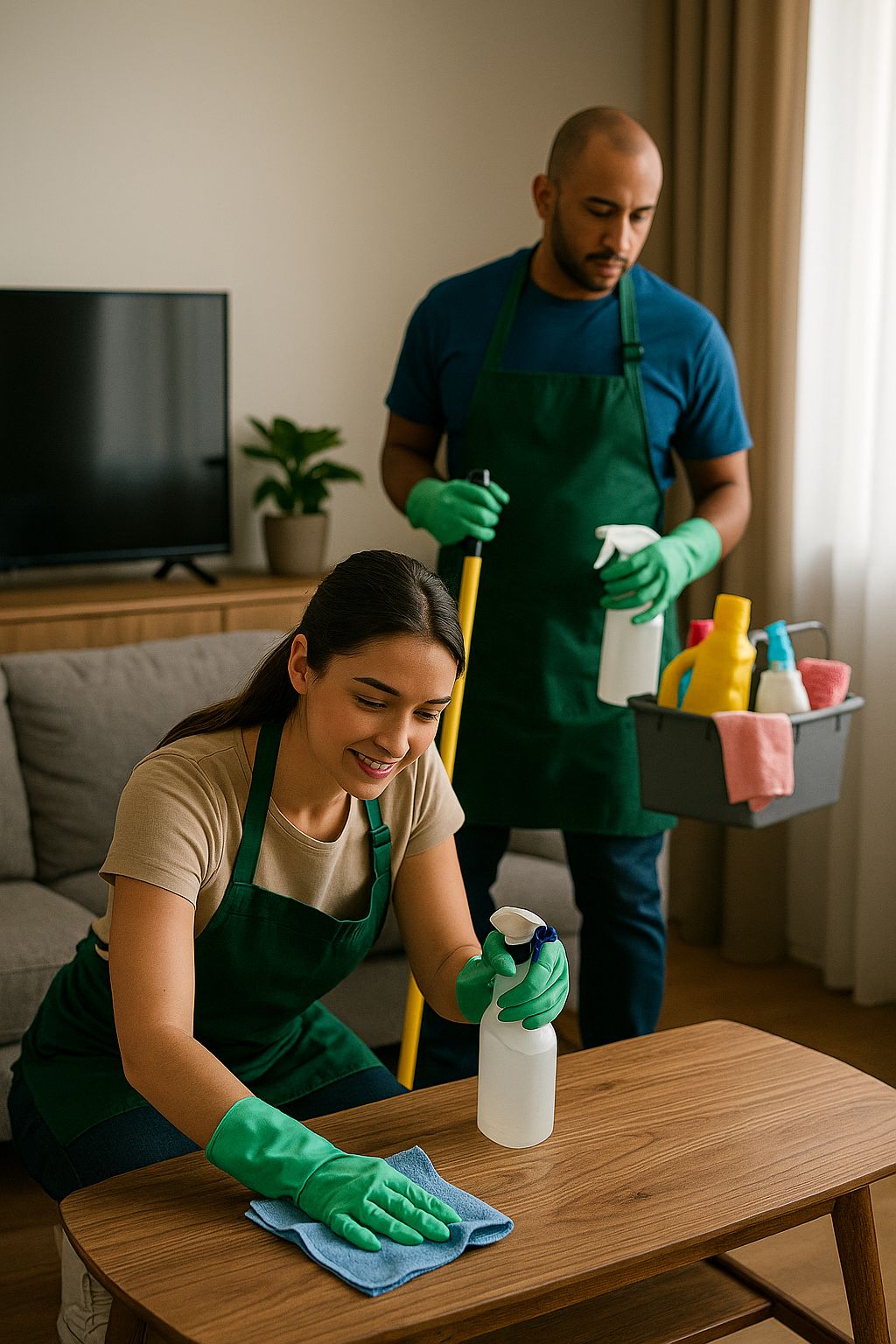
A Consumer Services Provider in Pet Care and Grooming Operates in a High-Stakes Environment
Pet care and grooming is a hands-on, high-trust business. Pets are family, and owners expect safe handling, clean tools, and a calm experience from check-in to pickup. The organization in this case runs a busy consumer services operation that serves many breeds and temperaments each day. Some locations are storefront salons. Others support mobile appointments. The pace is steady, and the room for error is small.
What makes it high stakes is simple. A pet cannot tell you when a clipper feels too hot or a restraint feels wrong. A missed sanitation step can spread germs from one animal to the next. A product mixed at the wrong ratio can irritate skin or eyes. Even small slips can damage trust and show up in public reviews. Local health rules and brand standards add another layer of pressure, and every visit needs to meet them.
- Animal safety and comfort: Proper handling and low-stress methods protect pets and prevent injuries to staff.
- Hygiene and compliance: Clean tools, correct disinfectant contact times, and clear station resets reduce cross-contamination and support audits.
- Customer trust and reputation: Owners judge what they see and hear, and they share it online.
- Speed with consistency: Back-to-back appointments demand fast work that never cuts corners.
Daily reality adds more complexity. One appointment might involve a double coat that mats fast. The next might be a nervous small dog that needs extra care during nail trimming. Tools and products change by task. So do the steps for setup, cleaning, and storage. New hires join often, and many bring different habits from past shops. Leaders need to ramp people quickly without pulling them off the floor for long classroom sessions. They also need to keep veterans aligned with updated standard operating procedures.
The stakes are not abstract. A rushed wipe-down or a skipped soak can undo an entire cleaning routine. A misread checklist can turn into a sanitation miss on an audit. The difference between “good” and “great” is often a single step done at the right time. That is why this team set out to make guidance easy to find and easy to use while work is in motion. The goal was steady, repeatable service that protects pets, reassures owners, and keeps the business growing.
High Turnover and Strict Hygiene Standards Create Consistent Training Challenges
Turnover is a constant in pet care and grooming. New bathers and groomers join often, each with different habits and comfort levels. The team needs to ramp people fast while the schedule stays full. Peak seasons bring even more new faces and extra pressure on leads and managers. Despite the churn, every appointment still has to be safe, clean, and calm for the pet and the owner.
Hygiene rules are strict for good reason. Tools must be cleaned between pets. Tables and tubs need full disinfectant contact time. Towels, leashes, and muzzles must be sorted and sanitized the right way. Waste and laundry follow set steps. Many of these details are easy to miss when the day runs hot. A skipped soak or a rushed wipe can lead to cross-contamination, poor reviews, or a failed audit.
Traditional training struggles to keep up. Long videos and one-time classes pull people off the floor and fade by the next busy shift. Shadowing helps, but it can pass along mixed methods from one mentor to the next. Standard operating procedures change with new products or health guidance, and paper binders or wall posters go out of date fast. Mobile teams face the same rules without a supervisor nearby.
- Timing: People need help in the moment, not after the shift.
- Memory load: Dozens of small steps add up, and stress makes them easy to forget.
- Access: Gloves, wet hands, and tight spaces make it hard to search for instructions.
- Variation: Breeds, coat types, and pet temperaments change the workflow from one appointment to the next.
- Coverage: Managers cannot watch every station or ride along with every mobile van.
- Language and experience: Mixed skill levels and language needs call for clear, visual guidance.
Leaders also lack timely insight. Audits and incident reports show problems after they happen. Static checklists do not reveal where people hesitate or which steps cause the most confusion. Without clear signals, it is hard to focus coaching or refine procedures.
The challenge was clear: give every groomer and bather quick, reliable guidance at the station, keep it consistent across locations, and build a feedback loop that shows where training should focus next.
The Strategy Targets Just-in-Time Support With Clear SOPs and Micro-Demos
The team set a simple goal: bring the right step to the groomer at the right moment. Instead of long classes, they focused on clear SOPs that break tasks into small, repeatable steps and short micro-demos that show what “right” looks like at the station. The strategy meets people in the flow of work so they can keep moving without guessing.
- Make it fast: Answers land in 10 to 30 seconds so a groomer can act and move on.
- Make it visual: Micro-demos run 15 to 60 seconds with captions and close-up views. No sound needed in a noisy shop.
- Make it specific: Steps name the exact tool, product, ratio, and disinfectant contact time for that station.
- Make it consistent: One source of truth across salons and mobile units so habits do not drift.
- Make it easy to reach: QR codes and short links sit at tubs, tables, and laundry. Big buttons work with gloved hands.
- Make it inclusive: Captions appear in key languages with clear icons for quick scanning.
- Make it safe: Prompts flag stop points, PPE needs, and when to call a lead.
The first step was task mapping. The group listed every repeatable job from “pet arrives” to “station reset.” They circled trouble spots that audits and managers see most. Examples include disinfectant dwell times, clipper blade cleaning, tub drain traps, ear care solutions, laundry sorting, and storage of muzzles and leads. Each task became a short SOP with a photo or video that shows the correct motion and timing.
Micro-demos followed a tight recipe. Shoot on a phone at the station. Keep the frame on hands and tools. Add captions that match the SOP steps. Highlight the moment that matters, like a two-minute timer for disinfectant or the safe angle for nail trimming. End with a quick checklist so the user can self-check the step before moving on.
Access happens where the work happens. A groomer scans a QR code at the clipper rack and sees “Clean and Disinfect Blades Between Pets.” At the tub, a code opens “Reset and Sanitize Between Baths.” In laundry, another code opens “Sort, Wash, and Store Towels for Next Use.” Each flow fits on one small screen with no scrolling when possible.
To support busy shifts, the team set a three-tap rule. Find the task in one tap, watch in one tap, confirm the step in one tap. If someone needs more help, a simple prompt offers a deeper walk-through or a quick tip from the lead groomer. The same content powers onboarding so new hires practice with the micro-demos on day one and use them again on the floor.
Content stays fresh by design. Grooming leads and L&D review SOPs on a set schedule and any time a product changes. Each item shows a clear update date and version so staff trust what they see. When feedback comes in, the team tweaks a step or swaps a clip within hours, not weeks.
The result is a practical strategy that lightens memory load, cuts search time, and keeps sanitation steps front and center. Clear SOPs and tight micro-demos make it easy to do the right thing under pressure, which protects pets, reassures owners, and supports a smooth, steady operation.
Performance Support Chatbots Deliver Micro-Demos at the Grooming Station
The performance support chatbot lives where the work happens. Staff open it on a station tablet or their phone with a quick tap or by scanning a QR code at the tub, table, or clipper rack. The chat greets them with the right station context and offers clear options like Reset Tub, Disinfect Clipper, Fit Muzzle, or Prep Laundry. A groomer can also type a short question, such as “how long is contact time?” and get a direct answer with a short micro-demo.
The flow is simple. The chatbot asks, “What are you doing now?” and shows big buttons that work with gloved hands. Tapping a button opens three to five steps with a 15–60 second video for each step. Videos use tight close-ups and captions, so no sound is needed in a noisy shop. Ratios, contact times, and tool names appear up front. A one-tap checklist at the end lets the groomer confirm the step and move on.
- Reset the tub between pets: The bot shows the disinfectant, the correct mix, and a micro-demo of spray coverage. It starts a two-minute timer for contact time and reminds the user to wipe high-touch areas, drains, and handles.
- Clean and disinfect clipper blades: A quick sequence covers unplugging, brushing out hair, applying solution, and safe drying. The demo highlights the angle and contact time to prevent rust and keep heat down.
- Fit a muzzle safely: A visual guide shows sizing checks, strap placement, and comfort signs. The bot flags stress cues and prompts the user to pause and call a lead if needed.
- Handle ear care products: The steps point to the correct solution, show the dose, and model a gentle technique that protects the ear canal.
- Sort and wash towels: A short clip demonstrates color coding, soil levels, and storage so clean items do not mix with used ones.
Every interaction keeps speed and safety in mind. The bot follows the “three taps” rule: find, watch, confirm. Timers, checklists, and stop points reduce guesswork. If a step needs a closer look, the user can replay the micro-demo or switch to a photo view that highlights the exact motion or contact area.
The experience also travels with the team. Mobile units get the same chat on a phone or van tablet, with key micro-demos cached so they load fast even with weak coverage. Captions appear in key languages, icons are easy to scan at a glance, and the layout supports one-handed use.
Onboarding and daily work use the same tool. New hires practice in a guided “tour” that walks through a full service from check-in to station reset, then rely on the bot during live shifts. Seasoned groomers use it for quick refreshers, product changes, or rare steps they do not see every day. Each flow shows a clear “last updated” date so everyone trusts they are following the current SOP.
The result is a steady drumbeat of the right step at the right time. The chatbot puts micro-demos and crisp instructions a tap away, which cuts mistakes, keeps sanitation tight, and helps the shop stay calm and efficient even on the busiest days.
Cluelabs xAPI Learning Record Store Converts Real-Time Usage Into Insight and Compliance Evidence
To make on-the-job help smarter, the team wired the chatbot and every micro-demo with xAPI. Each time a groomer asks a question, plays a clip, starts a timer, or confirms a checklist, a small, timestamped record goes to the Cluelabs xAPI Learning Record Store. The record carries simple details like task name, location or van ID, and whether the step was finished. This creates a clear picture of real work as it happens across all stations and shifts.
- What gets captured: Search terms, menu choices, video plays and replays, step confirmations, timer starts and finishes, and early exits
- Where it happens: Storefront salons and mobile units, tagged by station or device
- When it matters: Peak times, first week on the job, product change days, and audit weeks
The LRS pulls these records into simple dashboards that a manager or L&D partner can read at a glance. Instead of guessing, they can spot patterns within days, not months.
- High-friction steps: Repeated views or frequent backtracks point to confusing moments in a process
- Abandoned actions: Drops before the final checklist hint at unclear instructions or poor placement of a QR code
- Time to proficiency: New hires who use the bot often reach independent work faster, which shows up as fewer lookups over time
- Hot topics by location: One salon might overuse “disinfectant mix,” while a van team leans on “muzzle fit” before nail trims
Insights turn into quick fixes. When the data showed many replays on “clipper blade disinfect,” the team shot a 20-second close-up that showed the exact fill line on the bottle and added a still image to the first step. Replays dropped the next week. In another case, timer cancellations spiked during tub resets. Moving the QR code closer to the spray bottles and adding a bold two-minute countdown overlay cut early stops by half.
Leaders also linked chatbot use to real results. They compared usage trends with sanitation audit pass rates and found that stations with steady checklist confirmations had fewer misses on contact time. For onboarding, they tracked the days from hire date to independent station reset. Teams that used the bot more early on reached target speed sooner without more errors.
Compliance became easier. The LRS stores verifiable, time-stamped records that show when a groomer completed the required sanitation steps at a given station. During audits, managers can pull a simple report to confirm that key resets and disinfectant dwell times occurred throughout the day. This reduces paperwork and builds confidence that standards are met.
The approach respects people. Reports focus on trends and coaching, not gotchas. Data is shared in weekly huddles to celebrate wins, such as “zero early timer stops this week,” and to ask for ideas where friction remains. As a result, staff see the system as a helper that makes the work smoother and keeps pets safe.
With the Cluelabs xAPI Learning Record Store in place, the team now runs a tight feedback loop. Real-time usage points to the next improvement. Updated SOPs and micro-demos roll out fast. Then new data confirms whether the change worked. The result is steady gains in clarity, consistency, and compliance.
The Rollout Improves Time to Proficiency, Reduces Sanitation Misses, and Elevates Service Consistency
The rollout started with a short pilot in a few salons and mobile vans, then moved to all locations. Teams learned the chatbot in a 20-minute huddle, scanned the QR codes at each station, and got to work. From week one, managers watched patterns in the Cluelabs LRS and tuned micro-demos and SOP steps as they learned what people tapped and where they hesitated. The impact showed up fast in day-to-day work and in audit results.
- Faster time to proficiency: New hires reached independent station resets sooner and needed fewer check-ins from leads. Early heavy bot use tapered off by week three, a clear sign that key steps were sticking.
- Fewer sanitation misses: Contact time errors dropped as timers, clear ratios, and one-tap checklists kept steps on track. Stations that logged steady confirmations saw cleaner audit results with fewer findings.
- More consistent service: The same micro-demos and SOPs ran in every salon and van, which cut “house rules” and personal shortcuts. Pets got a predictable, calm experience regardless of location or shift.
- Better flow during busy hours: Quick answers in 30 seconds or less reduced stoppages and backtracks. Teams kept the schedule moving without skipping safety or cleaning steps.
- Higher confidence on tricky tasks: Groomers replayed short clips for blade care, muzzle fit, and ear care and then moved ahead with less guesswork. Leads fielded fewer SOS calls for routine steps.
- Targeted coaching that saves time: Managers used LRS dashboards to spot hotspots and focused huddles on two or three steps that mattered most. Small video tweaks fixed many issues without pulling people off the floor.
- Easier compliance proof: Time-stamped records of resets, timers, and checklists cut paperwork before audits and made it simple to show that standards were met.
Real examples brought the results to life. A common miss was tub disinfectant contact time during peak rush. After the team added a bold on-screen timer and moved the QR code next to the spray bottles, early timer stops fell and audits noted stronger compliance. Another friction point was the exact fill line for blade solution. A 20-second close-up micro-demo cleared it up and replays dropped the next week.
The human side improved as well. New teammates felt supported rather than judged. Veterans appreciated fast refreshers when products changed. Weekly shout-outs for “clean audit week” or “zero early timer stops” kept momentum high without adding stress.
In short, the combination of performance support chatbots, tight micro-demos, and the Cluelabs xAPI LRS delivered what the operation needed most: faster ramp-up, fewer sanitation misses, and a more consistent experience for pets and owners across every station and shift.
Lessons From Scaling Performance Support in Pet Care and Grooming Guide Future Practice
Scaling this kind of support across salons and mobile vans taught the team what works in the real world. The lessons below can help any operation that wants faster ramp-up, tighter sanitation, and steady service without slowing the floor.
- Start with the work, not the tech: Map the steps from pet arrival to station reset. Build help around real tasks and pain points that staff feel every day.
- Design for 30-second answers: Keep each step short. Show one action per screen with a tight micro-demo and clear captions so people can act fast.
- Film where the work happens: Shoot on the actual station with the real tools. Use close-ups, good lighting, and no audio so clips play well in noisy rooms.
- Put access at the point of need: Place QR codes or short links at tubs, clipper racks, laundry, and vans. Make buttons big enough for gloved hands.
- Plan for wet, busy spaces: Use mounts for tablets, water-resistant covers, and offline caching so micro-demos load even with weak signal in a van.
- Make one source of truth: Keep SOPs and micro-demos in sync. Show version and update date on every flow so staff trust what they see.
- Measure what matters with the LRS: Track lookups, replays, timer starts and finishes, and checklist confirmations. Compare trends to audit pass rates and time to proficiency.
- Coach with data, not gotchas: Share patterns in huddles. Celebrate wins like zero early timer stops. Use trends to focus two or three fixes each week.
- Fix friction fast: When replays spike or steps get abandoned, update the clip, add a still image, or move the QR code. Treat changes like same-day patches, not big projects.
- Support all teammates: Add captions in key languages and clear icons. Flag stop points and when to call a lead. Keep tone friendly and direct.
- Protect privacy and access: Limit personal data in records, secure shared devices, and log out by default. Explain what is tracked and why.
- Blend into onboarding and daily work: Use the same flows for day-one practice and live shifts. This builds habits that stick under pressure.
- Build a champion network: Recruit a few groomers in each location to test updates, film quick clips, and model use during busy hours.
- Keep a steady update rhythm: Review content on a schedule and after product changes. Small, frequent tweaks beat big, rare overhauls.
In short, make help easy to reach, easy to trust, and easy to improve. Pair clear SOPs and short micro-demos with real-time data from the Cluelabs xAPI Learning Record Store. Then use what you learn to keep removing friction. This approach keeps pets safe, gives staff confidence, and makes service more consistent across every station and shift.
Is Performance Support With Chatbots And Micro-Demos A Good Fit For Your Organization
In a fast-paced pet care and grooming operation, the risks are real: strict hygiene standards, many small steps, and a steady flow of new team members. The solution in this case paired performance support chatbots with short, station-ready micro-demos so staff could see the right step at the right time. Timers, checklists, and crisp visuals reduced guesswork and kept sanitation on track. The team also used the Cluelabs xAPI Learning Record Store to capture each question, video replay, timer start and finish, and checklist confirmation. This revealed where people struggled, showed links to audit pass rates and time to proficiency, and created clear compliance evidence. The result was faster ramp-up, fewer sanitation misses, and more consistent service across salons and mobile vans.
If you are exploring a similar approach, use the questions below to guide the decision.
- Are your highest risks tied to small, repeatable steps that happen at the point of work?
Why it matters: Performance support shines when mistakes happen in the moment, such as disinfectant contact time or blade care.
What it reveals: If your pain points are about timing, ratios, or hand placement, chatbots with micro-demos fit well. If issues are mostly deep theory or rare edge cases, you may need more foundational training first. - Can frontline staff reliably reach a device right where they work?
Why it matters: No access means no adoption. The help must be one tap away at tubs, tables, clipper racks, and in vans.
What it reveals: You may need tablets or phones with protective cases, mounts, glove-friendly buttons, QR codes placed at stations, and offline caching for weak signal areas. If this is not feasible, start by closing the access gap. - Do you have clear SOPs that can be shown in 30–60 second visuals?
Why it matters: The quality of the content drives results. Short, visual steps make action easy and repeatable under pressure.
What it reveals: If SOPs are outdated or inconsistent, plan a quick cleanup first. Pilot with 10 high-impact tasks, film on-site with real tools, and use captions in key languages. - Will you track usage and outcomes with an LRS and use the data to improve?
Why it matters: Data closes the loop. An LRS like the Cluelabs xAPI LRS can show high-friction steps, early timer stops, and links to audit pass rates and time to proficiency.
What it reveals: If you can capture and review this data weekly, you can fix problems fast and prove value. If not, you still gain help at the point of work, but ROI proof and continuous improvement will lag. Plan for privacy, simple dashboards, and clear owner roles. - Do leaders have the appetite to coach with data and keep content fresh?
Why it matters: Trust grows when teams see quick wins and friendly coaching, not gotchas. Small updates keep the guidance accurate.
What it reveals: If you can run short huddles, celebrate wins, and maintain a steady update rhythm, adoption will stick. Without this, usage drops and old habits return. Build a champion network and tie the tool into onboarding and daily work.
If you answered “yes” to most questions, you are likely ready to pilot. If not, start with device access, SOP cleanup, and a basic LRS plan. A small, focused trial can prove value fast and guide a confident scale-up.
Estimating Cost And Effort For Performance Support Chatbots With Micro-Demos And An LRS
This estimate focuses on what it typically takes to launch performance support chatbots that deliver micro-demos at grooming stations, instrumented with xAPI and connected to the Cluelabs xAPI Learning Record Store (LRS). It reflects a hands-on pet care and grooming setting with strict sanitation needs and mixed experience levels across staff.
Baseline assumptions for the estimate
- 50 grooming stations across salons and mobile units
- 100 frontline staff members
- 15 high-impact SOP flows in scope for launch
- 45 short micro-demos (about three per SOP)
- 10 location leads as on-the-ground champions
Key cost components and what they cover
- Discovery and planning: Confirm goals, success metrics, and guardrails. Audit current SOPs and hygiene requirements. Define pilot scope and rollout path.
- SOP mapping and validation: Turn real tasks into clear, step-by-step instructions and verify with grooming leads and compliance.
- Chatbot conversation design and build: Create simple, station-ready flows with big buttons, timers, and checklists. Configure access via QR codes and short links.
- Micro-demo content production: Film short, captioned clips on site with real tools, focusing on the exact motion, ratio, or contact time that matters.
- Captioning and localization: Add on-screen captions and key-language translations so guidance is easy to follow in noisy, fast-moving spaces.
- Devices and access: Provide tablets with protective cases and mounts at tubs and tables; print and place durable QR codes at points of need.
- xAPI instrumentation and LRS setup: Capture each query, video replay, timer start and finish, and checklist confirmation; configure the Cluelabs LRS and build simple dashboards.
- Quality assurance and compliance review: Test flows, verify steps against sanitation standards, and confirm PPE and stop points are accurate.
- Pilot and iteration: Run a short pilot, support teams live, analyze data in the LRS, and tune content where friction shows up.
- Deployment and enablement: Short huddles and job aids to get crews using the chatbot on day one; install signage and QR codes at each station.
- Subscriptions and hosting: LRS plan (replace with your vendor quote), chatbot platform or hosting, video hosting/CDN, and device management.
- Ongoing support and continuous improvement: Monthly content refresh, analytics reviews, and light device replacement for wear and tear.
- Contingency: A buffer for small scope changes, signage reprints, or extra video tweaks.
Rates and volumes below are illustrative and may vary by region, vendor, and whether you reuse existing devices. Replace placeholder subscription amounts with current vendor quotes. Cluelabs offers a free LRS tier suitable for small pilots and paid plans for higher volumes.
| Cost Component | Unit Cost/Rate (USD) | Volume/Amount | Calculated Cost |
|---|---|---|---|
| Discovery & Planning (One-Time) | $120/hour | 20 hours | $2,400 |
| SOP Mapping & Validation (One-Time) | $110/hour | 75 hours | $8,250 |
| Chatbot Conversation Design & Build (One-Time) | $120/hour | 70 hours | $8,400 |
| Micro-Demo Production: Plan, Shoot, Edit (One-Time) | $100/hour | 135 hours | $13,500 |
| Captioning & Localization in Two Languages (One-Time) | $30/video/language | 45 videos × 2 languages | $2,700 |
| Tablets + Cases + Mounts (One-Time) | $370/device | 50 devices | $18,500 |
| QR Code Signage Packs (One-Time) | $3/code | 150 codes | $450 |
| xAPI Instrumentation, LRS Setup & Dashboards (One-Time) | $120/hour | 100 hours | $12,000 |
| Quality Assurance & Compliance Review (One-Time) | $110/hour | 60 hours | $6,600 |
| Pilot Onsite Support & Iteration (One-Time) | $120/hour | 30 hours | $3,600 |
| Champion Stipends (One-Time) | $200/champion | 10 champions | $2,000 |
| Staff Training Time for Rollout (One-Time) | $20/hour | 100 staff × 0.5 hour | $1,000 |
| Signage & QR Placement Labor (One-Time) | $60/hour | 20 hours | $1,200 |
| Huddle Leaders’ Time (One-Time) | $30/hour | 10 leads × 1 hour | $300 |
| LRS Subscription (Year 1) | $250/month | 12 months | $3,000 |
| Chatbot Platform/Hosting (Year 1) | $300/month | 12 months | $3,600 |
| Video Hosting/CDN (Year 1) | $50/month | 12 months | $600 |
| Mobile Device Management (Year 1) | $3/device/month | 50 devices × 12 months | $1,800 |
| Ongoing Content Refresh (Year 1) | $100/hour | 8 hours/month × 12 | $9,600 |
| LRS Admin & Reporting (Year 1) | $120/hour | 4 hours/month × 12 | $5,760 |
| Device Breakage/Replacement Reserve (Year 1) | $370/device | 3 devices replaced | $1,110 |
| One-Time Subtotal (Pre-Contingency) | — | — | $82,900 |
| Contingency (10% of One-Time Subtotal) | 10% | $82,900 | $8,290 |
| Year 1 Recurring Subtotal | — | — | $25,470 |
| Estimated Year 1 Total (One-Time + Contingency + Year 1 Recurring) | — | — | $116,660 |
How to tune cost and effort
- Pilot lean: Start with 8–10 SOPs and 20–25 micro-demos to prove value, using the Cluelabs LRS free tier if event volume allows.
- Reuse devices: If you already have tablets, shift budget to mounts, cases, and MDM only.
- Film fast, edit light: Shoot on phones at the station with good lighting and tight close-ups. Keep clips under a minute to reduce edit time.
- Phase localization: Launch with captions in your top language, then add more languages based on usage data.
- Target hotspots first: Use audit findings and incident logs to pick steps with the biggest hygiene risk or confusion.
Effort and timeline at a glance
- People needed: 1 instructional designer, 1 content producer/editor, 1 developer or technologist for chatbot and xAPI, location leads as SMEs/champions, and a compliance reviewer.
- Time to pilot: 6–8 weeks for scoped content, chatbot flows, devices, and LRS setup.
- Time to scale: 4–6 additional weeks for the rest of the locations, signage, and short huddles.
These figures are a planning baseline. Your actuals will depend on how many stations you support, the number of SOPs and videos, whether you can reuse devices, and your subscription choices. The key is to keep the scope focused, measure early with the LRS, and reinvest in the areas where data shows the biggest gains.